Dental implants have revolutionized modern dentistry by providing a lasting and natural-looking solution for missing teeth. Whether you’ve lost one tooth or several, implants can restore not only your smile but also your ability to chew and speak comfortably. However, many people aren’t aware that getting dental implants involves a structured process with distinct stages, each critical for long-term success. In this guide, we’ll take you through the three crucial stages of dental implant treatment so you can feel confident about what to expect on your journey to a restored smile.
Stage 1: Consultation and Planning
The first stage in the dental implant process is a comprehensive consultation and treatment plan. During this step, your dentist will evaluate your oral health using digital X-rays and 3D imaging to determine bone density and gum condition. This is an essential phase where personalized plans are created based on your needs—whether you require a single implant, multiple implants, or a full arch restoration.
The dentist will also review your medical history and discuss your goals to ensure that implants are the best solution for you. A strong, healthy jawbone and good gum health are key to supporting dental implants successfully. If additional treatments, such as bone grafting or gum therapy, are needed, they’ll be scheduled before the next stage begins.
Stage 2: Implant Placement Surgery
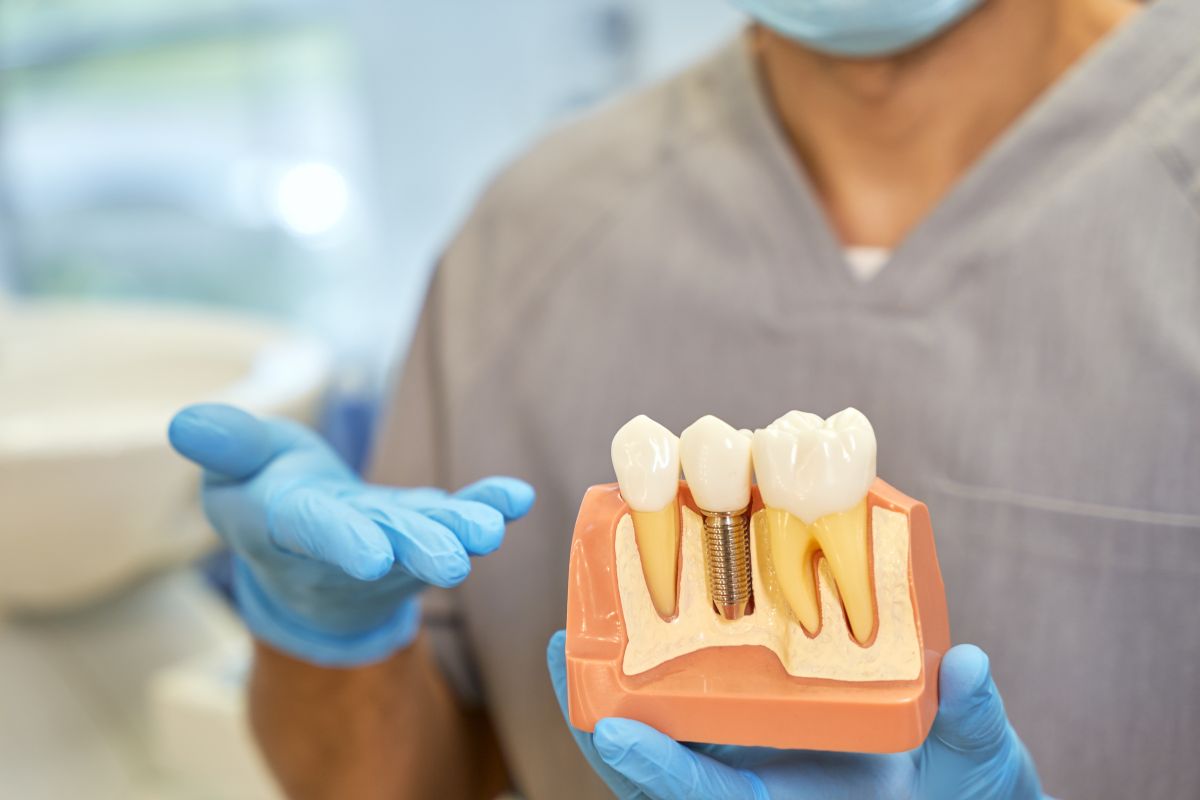
Once your treatment plan is finalized, the next step is the surgical placement of the implant. The dental implant itself is a titanium post that acts as an artificial tooth root, securely anchored into your jawbone. Local anesthesia or sedation ensures that you remain comfortable throughout the procedure.
This stage marks the foundation of your new smile, as the titanium post begins to integrate with your natural bone through a process called osseointegration. Over the next few months, your jawbone fuses with the implant, creating a solid and durable base for your replacement tooth.
It’s around this time that many patients in Arizona opt for dental implants in Green Valley due to their high success rate and natural-looking results. These implants not only restore functionality but also help preserve bone structure, preventing the facial sagging that often occurs with tooth loss. Once healing is complete, an abutment—a small connector—is placed to link the implant with your future crown.
Stage 3: Restoration and Final Placement
The final stage brings the transformation full circle. After your gums have healed and the implant is firmly bonded with your bone, a custom-made dental crown is attached to the abutment. The crown is carefully crafted to match your natural teeth in shape, size, and color, ensuring a flawless and natural appearance.
At this point, your new tooth feels, looks, and functions just like a natural one. You can eat your favorite foods again and smile with complete confidence. Proper care, including regular brushing, flossing, and professional checkups, ensures your implants can last a lifetime. For continued care, we encourage you to visit our dental office at Green Valley for routine maintenance and expert guidance.
Maintaining Your Dental Implants
Good oral hygiene and regular dental visits are crucial for maintaining the health of dental implants. Avoiding smoking, maintaining good gum health, and practicing proper cleaning techniques all contribute to ensuring your dental implants remain secure and beautiful for years.
Ready to Restore Your Smile?
Your journey to a confident, natural-looking smile starts with one simple step. If you’re ready to experience the life-changing benefits of dental implants, contact us today to schedule your personalized consultation.
FAQs
Q1. How long does the entire dental implant process take?
The process can take several months, depending on healing time and bone integration, usually between three to six months.
Q2. Are dental implants painful?
Most patients experience minimal discomfort during the procedure, as local anesthesia and sedation keep them comfortable and relaxed.
Q3. How long do dental implants last?
With proper care, dental implants can last a lifetime. Regular checkups and good oral hygiene are key.
Q4. Who is a good candidate for dental implants?
Individuals with good oral and overall health, adequate bone density, and healthy gums are generally good candidates.
Q5. Can dental implants replace multiple missing teeth?
Yes, implants can support multiple teeth or even full-arch restorations, depending on your individual needs.
Q6. Do implants require special maintenance?
No special maintenance is needed—simply brush, floss, and see your dentist regularly for checkups.