Recovering from dental implant surgery takes proper care and attention, especially during the first few weeks. Patients in Sahuarita often focus on oral hygiene and follow-up visits, but diet also plays a major role in healing. Eating the wrong foods too soon can irritate the implant site, delay tissue recovery, and increase discomfort. Whether you recently received implants or are preparing for treatment, understanding what foods to avoid can support a smoother recovery process and help protect your new smile.
Why Your Diet Matters After Dental Implant Surgery
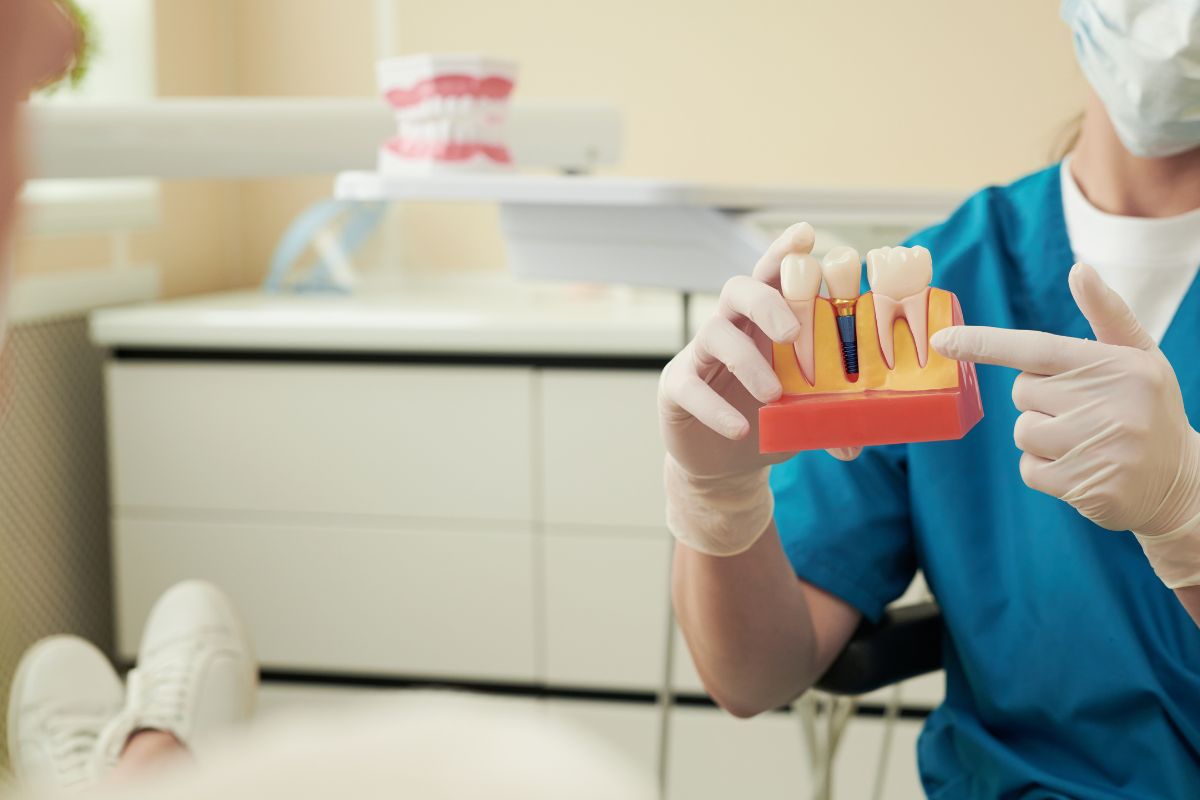
After implant placement, your jawbone and surrounding gum tissue need time to heal and bond with the implant post. This process, known as osseointegration, can take several weeks or months, depending on individual healing factors. During this period, hard or irritating foods may place pressure on the implant area and interfere with recovery.
Many patients in Sahuarita receiving dental implant treatment are surprised to learn how much their daily meals can affect healing outcomes. Soft foods, hydration, and avoiding excessive chewing near the surgical site all help reduce complications and discomfort during recovery.
Healing Requires Proper Nutrition
Your body needs vitamins, protein, and hydration to repair gum tissue and support bone healing after implant surgery. Choosing soft and nutrient-rich foods during recovery can help maintain comfort while supporting the healing process.
Hard Foods Can Put Pressure on the Implant Site
Crunchy foods such as chips, nuts, popcorn, and hard pretzels should be avoided immediately after surgery. These foods can create pressure on sensitive gum tissue and may even damage stitches or irritate the implant area. Small food particles from crunchy snacks can also become trapped around the surgical site, increasing the risk of inflammation.
Softer Foods Help Reduce Irritation
Instead of crunchy snacks, patients are often encouraged to choose mashed potatoes, yogurt, oatmeal, cottage cheese, and scrambled eggs during the early healing phase.
Sticky Foods May Interfere With Healing
Sticky foods are another major concern after implant surgery. Caramel, chewing gum, gummy candy, and taffy can pull against healing tissue and create unnecessary strain near the implant site. Sticky textures may also cling to the teeth and gums, making oral hygiene more difficult during recovery.
Gentle Chewing Supports Recovery
If you recently had implant surgery, it is important to avoid foods that require excessive chewing or create resistance while eating. Gentle meals are less likely to disturb the implant area and can help keep your recovery on track.
Spicy Foods Can Irritate Sensitive Gums
Spicy meals may cause discomfort after dental implant placement because healing gum tissue is more sensitive than usual. Ingredients like hot peppers, chili powder, and strong sauces can create burning sensations or irritation around the surgical area.
Patients who visit our dental office in Sahuarita for implant aftercare are often advised to choose mild foods during the first stage of recovery. Soups, smoothies, applesauce, and soft pasta are easier on the gums and can help minimize irritation while healing progresses.
Mild Foods Promote Comfort
Eating foods with softer textures and mild flavors can reduce sensitivity and make daily meals more comfortable after surgery.
Acidic Foods and Drinks May Slow Recovery
Acidic foods and beverages such as citrus fruits, tomatoes, soda, and sports drinks can irritate healing tissue and increase sensitivity. High-acid items may also contribute to discomfort around the implant site if consumed too early after surgery.
Staying Hydrated Supports Healing
Drinking plenty of water and choosing non-acidic foods can support a healthier oral environment. Limiting acidic drinks also helps protect surrounding teeth and gums while your implant heals.
Tough Meats Require Excessive Chewing
Steak, jerky, and other chewy meats can place strain on the jaw and implant site during recovery. Excessive chewing may increase pressure, interfere with the healing process, and cause soreness around the affected area.
Choose Softer Protein Sources
Fish, shredded chicken, tofu, eggs, and other soft protein options can provide nutrition without stressing healing tissue. As your mouth heals, your dentist will gradually recommend reintroducing firmer foods into your diet.
Support a Smooth Recovery After Dental Implants
Healing after implant surgery depends on proper care, healthy habits, and making smart food choices. Avoiding hard, sticky, spicy, acidic, and chewy foods can help reduce discomfort and support successful healing. Following your dentist’s aftercare instructions also lowers the risk of complications and protects your long-term oral health.
If you are considering dental implants or need guidance after your procedure, our team is here to help. Contact us today to schedule an appointment and begin your smile restoration journey with personalized care.
FAQs
- How long should I avoid hard foods after dental implants?
Most patients should avoid hard foods for at least one to two weeks, though healing times may vary depending on the procedure and individual recovery. - Can I drink coffee after dental implant surgery?
Warm coffee may be allowed after the first day, but very hot beverages should be avoided, as they can irritate the surgical site. - Are smoothies safe after dental implant surgery?
Yes, smoothies are usually a comfortable option as long as they are not extremely cold and do not contain seeds or hard ingredients. - Why are sticky foods harmful after implant placement?
Sticky foods can pull on healing tissue, disturb stitches, and increase irritation near the implant site. - When can I eat normal foods again after dental implants?
Most patients gradually return to normal eating habits after several weeks, depending on healing progress and their dentist’s recommendations. - Can spicy foods cause problems after implant surgery?
Yes, spicy foods may irritate sensitive gums and create discomfort during the healing process. - What foods help with dental implant recovery?
Soft foods like yogurt, mashed potatoes, soup, eggs, oatmeal, and smoothies are often recommended because they are gentle on healing tissue.