In Sahuarita, many people think orthodontic treatment is primarily about achieving straighter teeth. While improving appearance is certainly one benefit, orthodontics also plays an important role in enhancing oral function. One of the most significant functional advantages is improved chewing efficiency. Properly aligned teeth and jaws can help you chew food more effectively, support digestion, and contribute to better overall oral health. Understanding how orthodontic treatment affects chewing can help patients appreciate the broader benefits of a healthy bite.
Why Chewing Efficiency Matters
Chewing is the first step in the digestive process. When food is broken down properly before swallowing, the digestive system can process nutrients more effectively. Misaligned teeth may not work together as intended, making it harder to chew certain foods thoroughly.
Over time, inefficient chewing can place additional strain on the jaw muscles and surrounding structures. Proper bite alignment helps distribute chewing forces more evenly, allowing the teeth to function together in a balanced manner.
How Misaligned Teeth Affect Oral Function
Crooked teeth, overcrowding, gaps, overbites, underbites, and crossbites can all interfere with chewing efficiency. When teeth do not fit together properly, some areas of the mouth may work harder than others during chewing.
This uneven distribution of pressure can contribute to excessive wear on certain teeth and may increase jaw discomfort. Addressing these alignment concerns through orthodontic treatment can help improve the way the teeth function during everyday activities.
The Connection Between Bite Alignment and Chewing
A properly aligned bite allows the upper and lower teeth to work together efficiently when breaking down food. Orthodontic treatment helps reposition teeth and guide bite correction to create improved contact between chewing surfaces.
Many individuals researching orthodontics in Sahuarita, AZ, are interested in how orthodontic treatment can improve more than just appearance. Enhancing bite alignment often leads to more effective chewing, increased comfort, and better overall oral function.
Orthodontic Treatment and Jaw Health
The teeth and jaw joints are closely connected. When the bite is misaligned, the jaw may compensate by moving in ways that create unnecessary strain.
Orthodontic treatment can help improve the relationship between the upper and lower jaws, reducing uneven pressure during chewing. Improved jaw function may contribute to greater comfort and more balanced movement when eating and speaking.
Improved Food Breakdown and Digestion
Proper chewing helps break food into smaller pieces before it enters the digestive tract. When teeth are aligned correctly, chewing becomes more efficient, making it easier to process a wide variety of foods.
Better food breakdown can support the body’s natural digestive processes and contribute to overall wellness. Although digestion involves many factors, effective chewing remains an important first step.
Long-Term Benefits of Orthodontic Care
Beyond chewing efficiency, orthodontic treatment may offer several long-term oral health advantages. Properly aligned teeth are often easier to clean, reducing areas where plaque and food particles can accumulate.
Improved alignment may also help reduce uneven wear on teeth and support healthier gum tissue. These benefits contribute to stronger oral health and can help patients maintain their smiles over time.
Personalized Orthodontic Evaluations
Every patient’s dental structure and treatment needs are unique. Orthodontic evaluations help identify bite concerns and determine the most appropriate treatment options based on individual goals and oral health conditions.
If you are interested in improving bite function and overall oral health, visit our dental office in Sahuarita for a comprehensive orthodontic consultation. Understanding your treatment options can help you make informed decisions about your smile.
Orthodontics offers much more than cosmetic improvements. By correcting bite alignment and properly positioning teeth, orthodontic treatment can significantly improve chewing efficiency, support jaw function, and enhance overall oral health. Whether addressing overcrowding, bite issues, or other alignment concerns, treatment can contribute to a more comfortable and functional smile. Contact us today to schedule an appointment and explore how orthodontic care can benefit your long-term oral health.
Frequently Asked Questions
- How does orthodontic treatment improve chewing?
Orthodontic treatment helps align teeth and improve bite function, allowing food to be chewed more effectively. - Can crooked teeth affect digestion?
Crooked teeth may reduce chewing efficiency, making it harder to break food down thoroughly before swallowing. - What bite problems can interfere with chewing?
Overbites, underbites, crossbites, open bites, and overcrowding can all affect chewing function. - Does orthodontic treatment help with jaw discomfort?
Improving bite alignment may help reduce uneven pressure on the jaw and surrounding muscles. - Are braces the only orthodontic option?
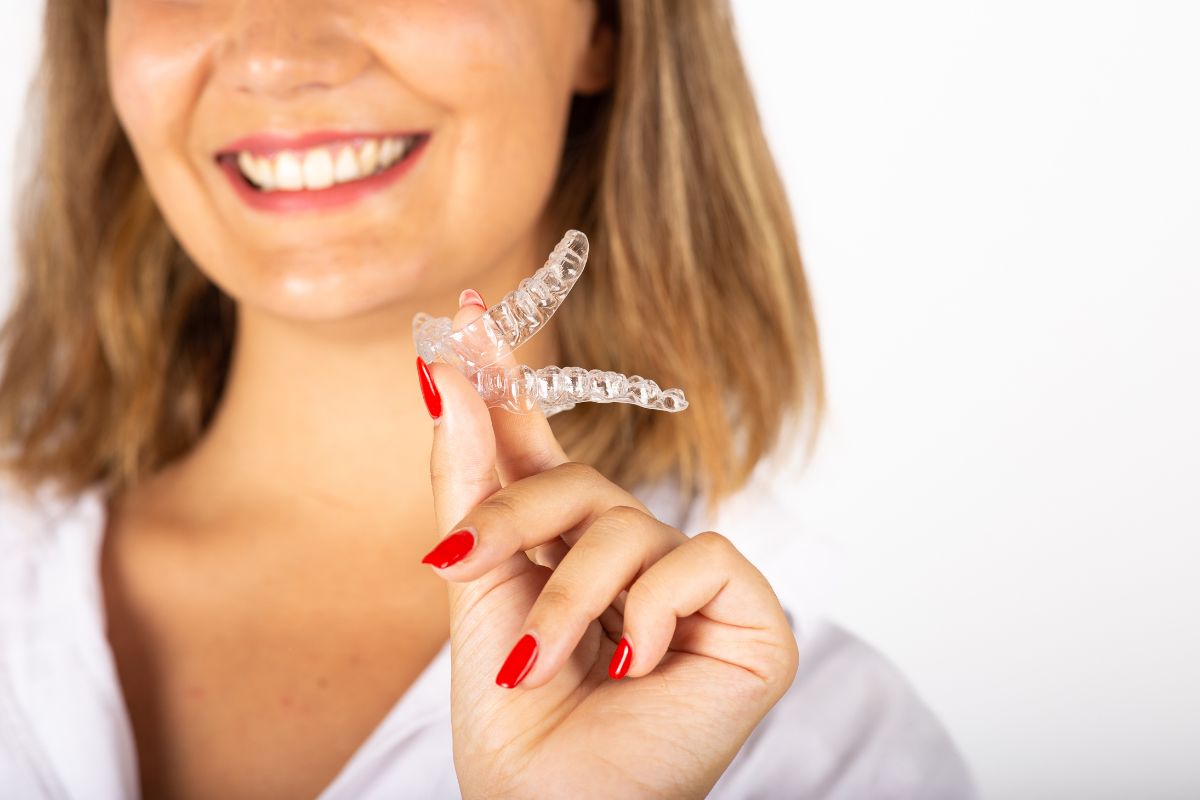
Treatment options vary depending on the patient’s needs and may include braces, clear aligners, or other orthodontic appliances. - How long does orthodontic treatment usually take?
Treatment duration varies based on the complexity of the alignment issues and individual treatment goals. - Why is bite alignment important for oral health?
A balanced bite helps distribute chewing forces evenly, supports efficient function, and may reduce excessive wear on teeth.