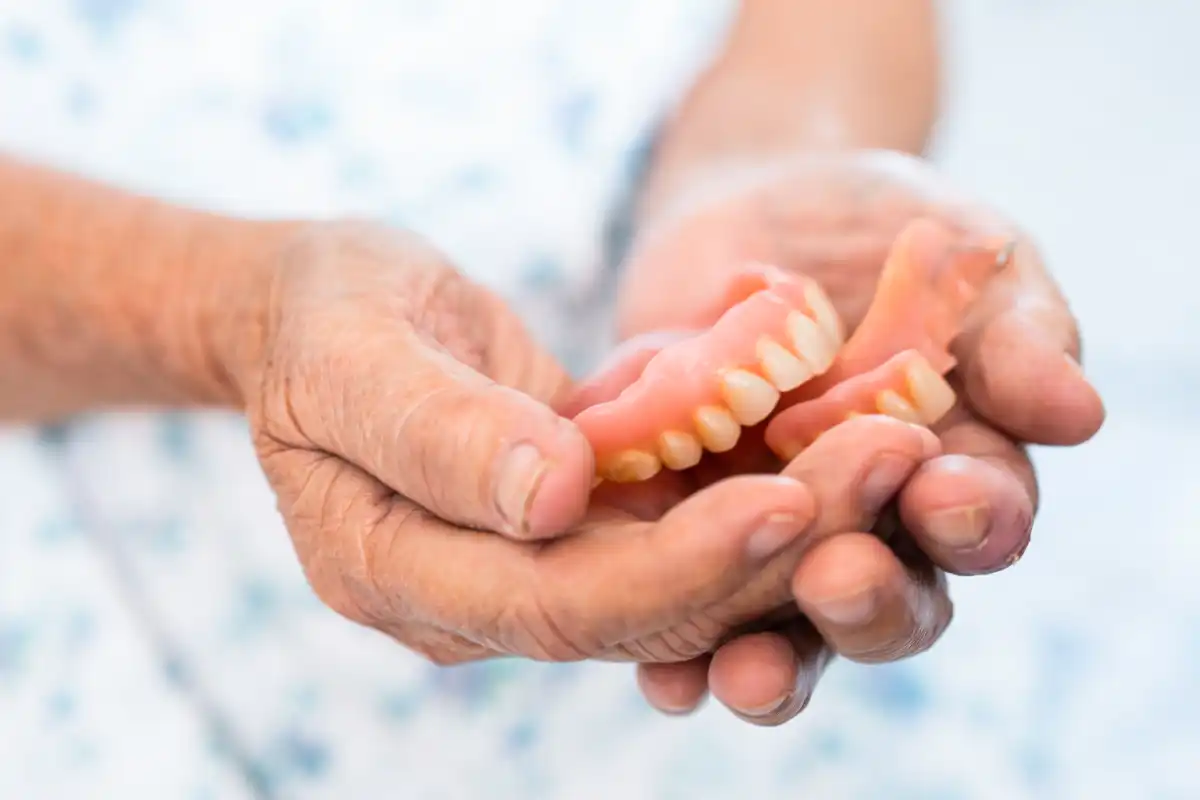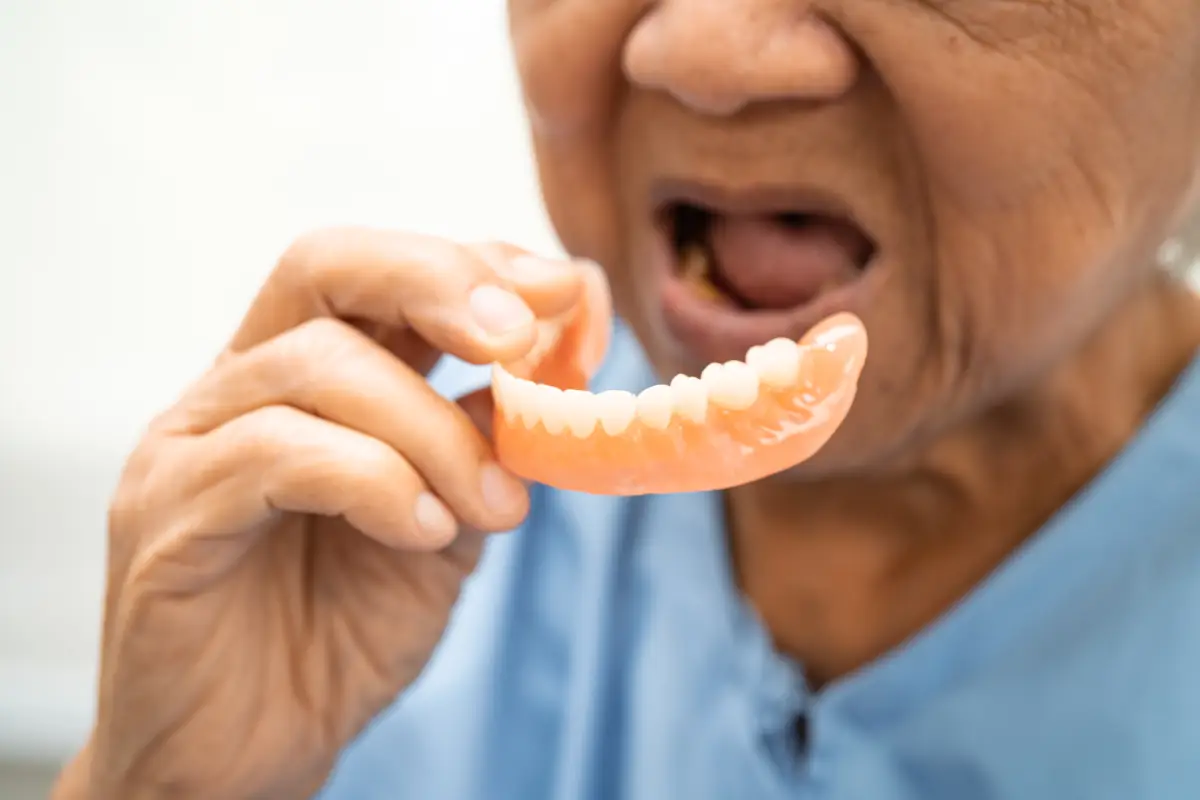
Replacing a missing tooth is not only about filling an empty space. A well designed restoration should help you chew comfortably, speak normally, and maintain the alignment of your remaining teeth. One common question is how long a bridge can actually last.
A typical bridge lasts about 5 to 15 years, although some can remain functional for longer when the restoration, supporting teeth, gums, and daily oral care are all well maintained. Cleveland Clinic and NHS guidance both emphasize that longevity depends on factors such as oral hygiene, the health of the supporting teeth, daily wear, and the type of bridge used.
Why Do Some Bridges Last Longer Than Others?
A bridge does not function independently of the rest of your mouth. Its long term stability depends heavily on the foundation supporting it.
For a traditional design, the restoration is attached to natural teeth next to the missing tooth. Those teeth need to remain strong and healthy because decay, gum disease, fractures, or other damage can eventually compromise the restoration.
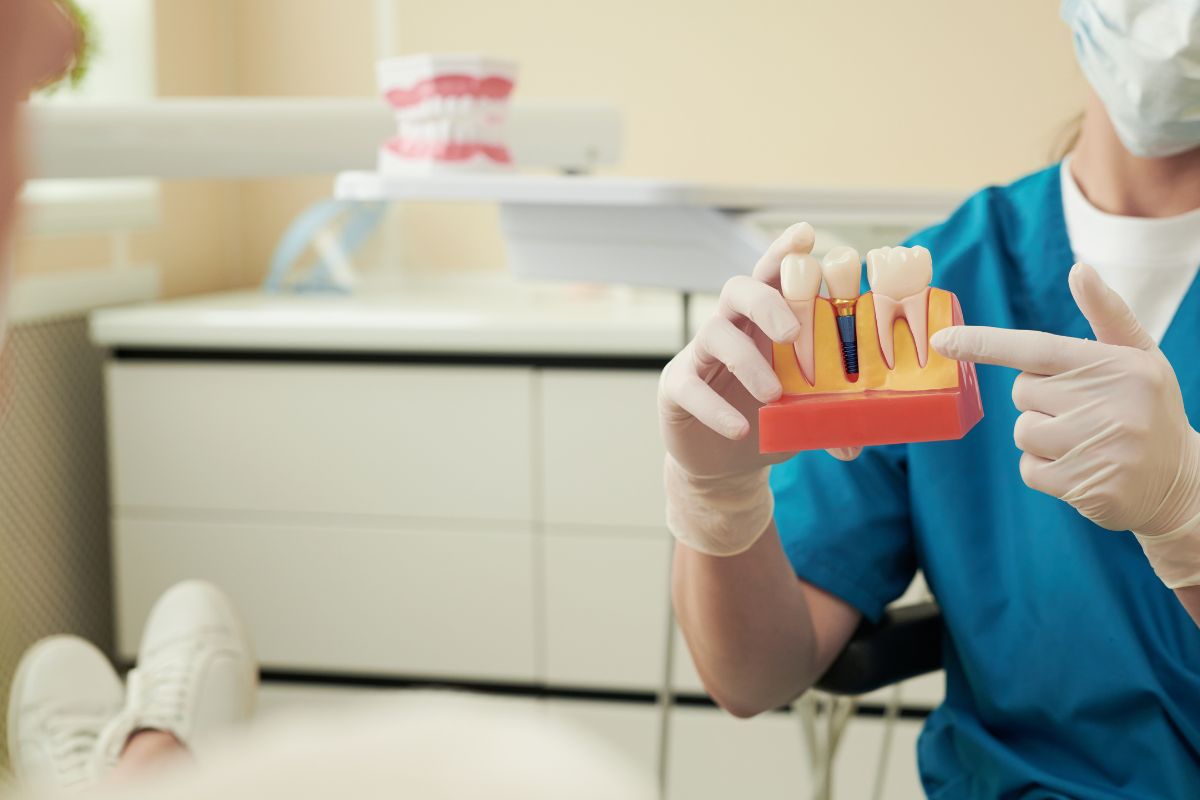
The type of restoration also matters. Traditional bridges, Maryland bridges, cantilever bridges, and implant supported bridges use different methods of support. For example, Maryland bridges are commonly used toward the front of the mouth, while implant supported designs rely on implants rather than neighboring natural teeth. Your oral health specialist can determine which approach makes sense based on the number of missing teeth, the condition of your surrounding teeth, and your overall oral health.
What Can Shorten Its Lifespan?
Several problems can affect how long your restoration remains comfortable and functional.
Poor cleaning: Plaque can collect around the supporting teeth and beneath the artificial tooth. Without proper cleaning, bacteria can contribute to gum inflammation or decay.
Weak supporting teeth: A restoration cannot remain stable if the teeth holding it in place develop significant decay, infection, or structural damage.
Teeth grinding: Repeated pressure from clenching or grinding can place additional stress on the restoration and the teeth supporting it.
Hard habits: Chewing ice, pens, fingernails, or extremely hard foods can increase the chance of damage.
Irregular dental visits: Some problems develop before you notice pain or looseness. Routine examinations give your dental team an opportunity to identify changes early.
How Can You Help It Last Longer?
Treat your restoration much like your natural teeth, but pay particular attention to areas underneath and around it.
Brush twice each day with fluoride toothpaste and clean between your teeth every day. Depending on the design, you may need floss threaders or an interdental brush to clean underneath the artificial tooth. Your dental professional can demonstrate the technique that works for your restoration.
Avoid using your teeth to open packages and limit habits that place excessive force on your teeth. If you grind at night, ask whether a custom nightguard could help protect your smile.
If you are looking for guidance about replacing a missing tooth or caring for an existing restoration, a trusted dental care provider can evaluate your individual needs.
When Should You Have Your Bridge Checked?
You do not necessarily need a replacement simply because your restoration has reached a certain age. However, changes in comfort or stability should not be ignored.
Contact your dental office if you notice looseness, pain when chewing, new sensitivity, bleeding or swollen gums, visible damage, or a change in how your teeth come together. These symptoms can sometimes indicate a problem with the restoration or one of the supporting teeth.
Protect Your Smile for the Long Term
If you are considering tooth replacement or have an older restoration that no longer feels right, CopperMine Dental provides personalized care for patients in Rancho Sahuarita. Schedule an appointment to have your smile evaluated and discuss the options that fit your oral health needs.
You can also find the CopperMine Dental office on the map.
Frequently Asked Questions
1. Can a bridge last more than 10 years?
Yes. Many last 5 to 15 years, and some remain functional longer with appropriate care. There is no guaranteed expiration date because longevity varies according to the restoration, supporting teeth, oral hygiene, and daily habits.
2. What happens if the supporting tooth develops decay?
Decay can weaken the tooth supporting the restoration and may eventually affect its stability. Your dentist may need to treat the tooth before determining whether the existing restoration can remain in place.
3. Can I still floss with a bridge?
Yes. Cleaning underneath the artificial tooth is particularly important. A floss threader or interdental brush may help you reach areas that ordinary floss cannot easily access.
4. How do I know when it needs to be replaced?
Looseness, visible damage, recurring discomfort, changes in your bite, or problems involving the supporting teeth can indicate that it needs professional evaluation. A dental examination is necessary to determine whether repair, recementing, or replacement is appropriate.