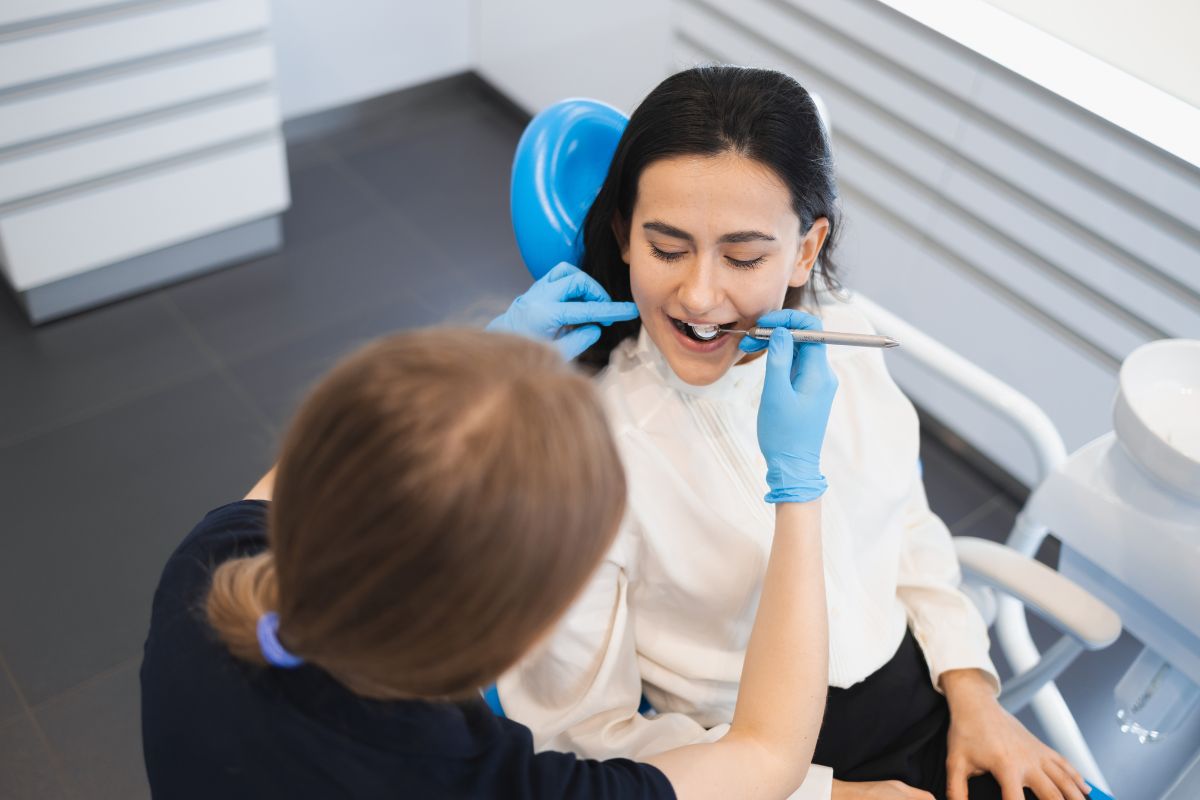
The removal of wisdom teeth is a standard procedure done to prevent dental issues like pain, swelling, or infections. Wisdom teeth, or third molars, can often cause complications due to crowding, misalignment, or partial eruption. While the extraction process itself is straightforward, proper aftercare plays a critical role in determining how quickly you heal.
Adhering to post-operative care ensures fewer complications, such as dry sockets or infections, and promotes faster recovery. Understanding what you should and shouldn’t do after surgery can make the process smoother and less stressful.
What Is Wisdom Teeth Removal?
Wisdom tooth removal is the surgical extraction of one or more third molars located at the back of your mouth. These teeth usually emerge between the ages of 17 and 25 but may not always come in correctly. Additionally, it’s helpful to know how this procedure fits into your overall oral health plan. It happens especially if you are considering treatments like dental implants in the future.
Problems such as partial eruption, impaction, or misalignment often necessitate their removal. These issues can lead to pain, swelling, infections, or damage to neighboring teeth. During the procedure, your dentist or oral surgeon may use local anesthesia, sedation, or general anesthesia to ensure comfort.
Do’s And Don’ts After Tooth Extraction
Post-surgery care is crucial to avoid complications. Scheduling follow-up appointments for dental cleanings ensures that the surgical site remains healthy and free from infection. Regular maintenance also helps you maintain optimal oral health after recovery.
Do’s for Recovery
Follow Professional Instructions: Always follow the post-operative care instructions carefully. These guidelines are designed to help you heal faster and prevent complications.
Stick to Soft Foods: Eat soft, easy-to-chew foods like mashed potatoes, scrambled eggs, or yogurt. Avoid hot or spicy meals during the initial recovery period.
Apply Ice to Reduce Swelling: Use an ice pack on your cheeks for 15–20 minutes at a time to reduce swelling and discomfort.
Keep Hydrated: Staying hydrated is essential for the healing process, so drink lots of water. Straws should be avoided, though, as the suction may dislodge blood clots.
Rinse Gently After 24 Hours: Start rinsing your mouth with warm salt water after the first 24 hours to keep the area clean. Do this gently to avoid irritating the surgical site.
Don’ts for Recovery
Don’t Smoke or Vape: Smoking delays healing and increases the risk of dry sockets, a painful condition caused by dislodged blood clots.
Avoid Hard or Crunchy Foods: Stay away from nuts, chips, and other hard foods that can irritate or damage the surgical area.
Don’t Engage in Strenuous Activities: Refrain from exercise or heavy lifting for at least 48 hours after surgery to avoid complications.
Don’t Skip Meals: Even if you feel discomfort, eat nutrient-rich foods to give your body the energy needed for recovery.
Avoid Poking the Surgical Site: Resist the urge to touch the surgical area with your tongue or fingers, as this can introduce bacteria and delay healing. If you experience persistent pain or swelling, it’s essential to visit my dental office for a thorough evaluation.
Benefits of Wisdom Teeth Removal
Prevention of Oral Health Issues: Removing problematic wisdom teeth reduces the risk of infections, gum disease, and cavities caused by overcrowding or impaction.
Enhanced Comfort and Functionality: Eliminating impacted molars alleviates chronic pain, jaw stiffness, and difficulty in chewing or speaking.
Simplified Future Dental Procedures: Having your wisdom tooth removed early ensures that treatments like dental restorations or braces proceed without interference.
Improved Alignment of Teeth: Wisdom tooth removal prevents overcrowding, protecting the alignment of your other teeth. This helps you maintain a healthy, attractive smile.
Reduced Risk of Complications: By removing wisdom teeth, you prevent issues like cysts, damage to nearby teeth, or sinus complications. If the issues become severe, consult a dentist in Green Valley.
Promotes Better Oral Hygiene: With problematic molars out of the way, brushing and flossing becomes easier, reducing plaque buildup and improving overall oral health.
Recovering from wisdom tooth extraction requires careful attention to the instructions and a proactive approach to aftercare. Simple steps, like eating soft foods and avoiding smoking, can significantly impact your healing process.
Your oral health deserves the best care. At CopperMine Dental Studio at Rancho Sahuarita, PLLC, we are committed to providing compassionate care. We will help you maintain a healthy smile. Make an appointment right now to start along the path to perfect oral health!