Dental implants are widely regarded as one of the most reliable and natural-feeling options for replacing missing teeth. Their success, however, depends heavily on the condition of the jawbone. Among the many factors influencing implant stability and longevity, bone density is particularly vital. Understanding how bone quality affects treatment outcomes can help patients feel more prepared and confident as they consider implant therapy.
Why Bone Density Matters for Implant Stability
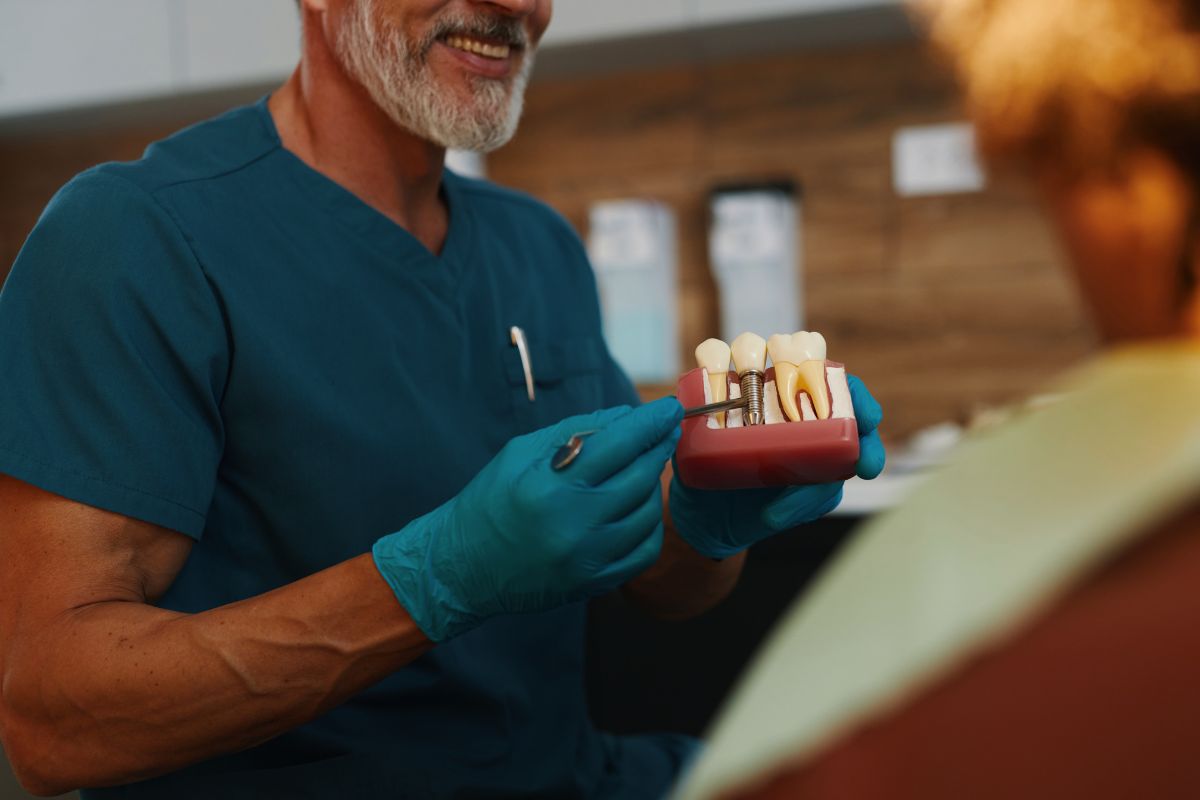
High-quality bone creates the foundation that allows an implant post to integrate securely through a process called osseointegration. When bone is firm and dense, it can firmly support the titanium post, helping the implant function like a natural tooth root. Proper density also reduces micro-movement during healing, which is essential for long-term success. Patients with lower bone density may require additional planning or preparatory procedures to ensure the implant remains stable over time.
Bone Density Variations and Their Impact on Treatment
Bone density can vary significantly between individuals due to factors such as age, genetics, duration of tooth loss, and certain medical conditions. The back areas of the upper jaw tend to have naturally softer bone, while the lower jaw often contains denser bone. When considering dental implants in Green Valley, AZ, your dentist will evaluate the jawbone using advanced imaging to determine whether the existing bone can support an implant or if supplemental treatment may be recommended. This careful assessment helps create a personalized plan that maximizes implant success.
Improving Bone Support Before Implant Placement
When bone density is insufficient, treatments such as bone grafting or sinus lifts may be used to rebuild and strengthen the jawbone. These procedures enhance bone quality and quantity, allowing the implant to integrate correctly. With improved bone support, patients can achieve results that are both durable and natural-looking. Taking steps to preserve bone—such as promptly replacing missing teeth—can also help prevent future bone loss.
How Bone Density Influences Healing and Longevity
The success of an implant relies not only on initial stability but on long-term performance. Strong bone density promotes faster healing and reduces complications, helping the implant withstand daily chewing forces for many years. Patients with optimal bone quality generally experience smoother recovery and greater overall comfort. Even when bone density is lower, modern techniques and materials allow dental professionals to design solutions that adapt to each patient’s needs.
Supporting Implant Health After Placement
Once an implant is placed, maintaining bone health becomes an ongoing commitment. Good oral hygiene, regular dental checkups, and healthy lifestyle habits all contribute to preserving the bone surrounding the implant. Your provider may recommend periodic evaluations to ensure the implant remains stable and the surrounding tissues stay healthy. If you’re planning to visit our dental office in Green Valley, AZ, we’ll tailor ongoing care to help protect your investment and ensure a beautiful, functional smile.
Ready to Strengthen Your Smile’s Future
If you’re considering implants or want to know whether your bone density is suitable for treatment, our team is here to guide you every step of the way. Contact us today to schedule your consultation and explore the best options for restoring your smile.
FAQs
- Can I get dental implants if I have low bone density?
Yes, many patients with low bone density can still receive implants with the help of bone grafting or specialized implant techniques. - How do dentists evaluate bone density before treatment?
They typically use digital X-rays or 3D imaging to assess bone thickness, height, and overall quality. - Does bone loss continue after an implant is placed?
Implants help stimulate the jawbone, reducing further bone loss and supporting long-term stability. - How long does bone grafting take before I can get implants?
Healing can take several months, depending on the type of graft and individual health factors. - Are dental implants more successful in denser bone?
Generally, yes: denser bone provides stronger initial support, but modern techniques can achieve successful outcomes even in softer bone. - Can lifestyle habits affect bone density around implants?
Yes, habits such as smoking or poor oral hygiene can negatively affect bone health and implant longevity.