
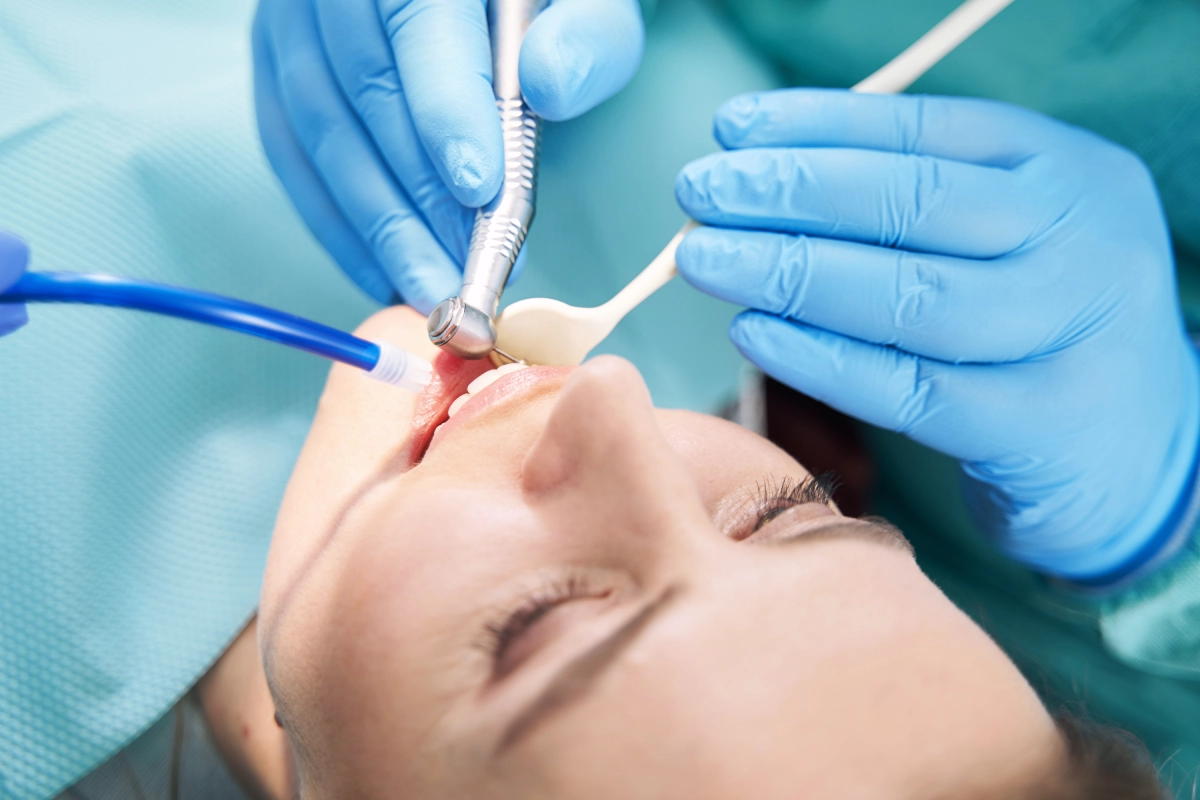
Losing a tooth can change how you eat, speak, and feel about your smile. But if you never replaced it, you may wonder whether too much time has passed to consider treatment. Perhaps the area has healed, you have grown used to the gap, or you assumed replacement was no longer possible.
The good news is that you may still be a candidate for a dental implant years after losing a tooth. The deciding factors are your jawbone, gum health, general health, and the condition of the surrounding teeth, not simply how long the tooth has been missing.
For people in Sahuarita, AZ, a dental evaluation can help determine which replacement options may work for their situation.
What Happens When You Leave a Missing Tooth Unreplaced?
Your teeth and jawbone work together to support chewing and maintain the structure of your mouth. When a tooth is lost, the bone in that area no longer receives the stimulation it once did from the tooth root. Over time, the bone may shrink.
A missing tooth can also affect nearby teeth. Depending on its location, neighboring teeth may shift toward the open space, changing your bite. You might notice difficulty chewing certain foods or feel that your teeth fit together differently.
These changes do not automatically mean an implant is impossible. They do mean that an examination is important before deciding on treatment.
What Determines Whether You Can Get an Implant Years Later?
Several factors help determine whether an implant is appropriate.
Jawbone volume and density: An implant needs enough healthy bone for support. If bone has shrunk significantly, a bone graft or another preparatory procedure may be recommended.
Gum health: Active gum disease can affect the tissues supporting teeth and implants. Your dentist may recommend treating inflammation or infection before proceeding.
Overall health: Certain medical conditions and medications can affect healing. Smoking can also interfere with recovery, so your health history should be reviewed before treatment.
The position of the missing tooth: Replacing a front tooth may involve different planning considerations from replacing a back molar. The available space and the condition of nearby teeth also matter.
Your dentist will assess these factors and explain whether additional treatment is needed before an implant can be placed.
What Happens During an Implant Evaluation?
The first step is a dental examination and a discussion of your medical and dental history. Your dentist will check your gums, the missing tooth area, and the surrounding teeth. Dental imaging may be needed to assess the amount of available bone and plan treatment safely.
Based on these findings, your options may include:
- Implant placement: If the bone and gums provide suitable support, treatment may be planned without additional procedures.
- Bone grafting: If there is not enough bone, a graft may help build up the area before implant placement.
- A dental bridge or partial denture: If an implant is not suitable or does not match your preferences, another replacement option may be considered.
Treatment time varies. If preparatory procedures are necessary, healing may add several months to the overall process.
If you are considering replacing a missing tooth, tooth replacement with dental implants treatment can help you learn more about the treatment process and the options that may be available after an evaluation.
Is It Better to Replace a Missing Tooth Sooner?
In many cases, addressing a missing tooth sooner gives your dental team more options before significant changes develop. However, delaying treatment does not mean you have lost the opportunity to replace it.
Rather than assuming it is too late, arrange an evaluation and ask what is possible now. The right plan depends on your individual oral health, goals, and treatment needs.
If you have questions about replacing a tooth after several years, an experienced dental care professional can help you understand your options and determine what to discuss during an appointment.
Find Out Whether a Dental Implant Is Right for You
A missing tooth does not have to remain an unanswered question. Even if several years have passed, an evaluation can help you understand whether an implant or another replacement option makes sense for your situation.
CopperMine Dental can help you explore your options and understand the next steps. To plan your visit, find CopperMine Dental in Sahuarita, AZ and ask about the available options for replacing a missing tooth.
Frequently Asked Questions
1. Can I get an implant 10 years after losing a tooth?
Possibly. The number of years alone does not determine eligibility. Your dentist will assess your bone, gums, and overall health to determine whether an implant is appropriate.
2. Does bone loss mean I cannot get an implant?
Not always. Some patients may benefit from bone grafting or other preparatory treatment, depending on the amount and location of bone loss.
3. Is a dental implant better than a bridge?
Both can replace a missing tooth. An implant replaces the tooth root and supports a replacement tooth, while a bridge typically relies on neighboring teeth for support. Your dentist can explain which option best suits your needs.
4. Will getting an implant take longer if I waited years?
It may, especially if bone grafting or gum treatment is needed first. Your treatment timeline will depend on your examination, any preparatory procedures, and how you heal.