Maintaining a healthy smile starts with the choices you make every day. In Green Valley, families of all ages can benefit from simple oral hygiene habits that help protect teeth and gums from common dental problems. While routine dental visits remain essential, daily home care plays a significant role in preventing cavities, gum disease, and other oral health concerns. By making a few positive habits part of your routine, you can support a healthier smile for years to come.
Habit 1: Brush Your Teeth Twice Every Day
Brushing your teeth every morning and before bedtime helps remove plaque, bacteria, and food particles that collect throughout the day. Using a soft-bristled toothbrush and fluoride toothpaste helps strengthen enamel while reducing the risk of tooth decay.
Focus on Proper Brushing Technique
Brush for at least two minutes using gentle circular motions. Be sure to clean every tooth surface, including the gumline and the back teeth, where plaque often builds up.
Habit 2: Floss Every Day
Flossing removes plaque and debris from areas your toothbrush cannot reach. Skipping this step allows bacteria to remain between the teeth, increasing the likelihood of cavities and gum inflammation.
Protect Your Gums
Daily flossing supports healthier gums by reducing plaque buildup between teeth and helping prevent gingivitis before it progresses.
Habit 3: Drink More Water
Water helps rinse away food particles and bacteria after meals. It also supports saliva production, which naturally protects teeth by neutralizing acids and washing away harmful substances.
Many people in Green Valley who visit a trusted dentist are surprised by how much proper hydration contributes to healthier teeth and gums. Drinking water instead of sugary beverages also helps reduce the risk of cavities over time.
Make Water Your Preferred Beverage
Keeping a reusable water bottle nearby makes it easier to stay hydrated throughout the day while supporting better oral health.
Habit 4: Eat Foods That Support Healthy Teeth
A balanced diet benefits both your overall health and your smile. Crunchy fruits, vegetables, dairy products, lean proteins, and foods rich in vitamins and minerals help strengthen teeth and support healthy gum tissue.
Limit Sugary Snacks
Reducing sugary snacks and acidic drinks helps minimize enamel wear and lowers the risk of tooth decay.
Habit 5: Replace Your Toothbrush Regularly
Over time, toothbrush bristles wear down and become less effective at removing plaque. Replacing your toothbrush every three to four months helps maintain effective cleaning.
If the bristles become frayed sooner, replacing the toothbrush earlier is recommended.
Keep Your Toothbrush Clean
Allow your toothbrush to air dry after each use and store it upright to reduce bacterial growth.
Habit 6: Avoid Using Teeth as Tools
Using your teeth to open packages, bite fingernails, or crack hard objects can lead to chips, fractures, or other dental injuries.
Protect Your Natural Teeth
Using scissors or the proper tools instead of your teeth helps prevent unnecessary damage that may require restorative dental treatment.
Habit 7: Schedule Regular Dental Checkups
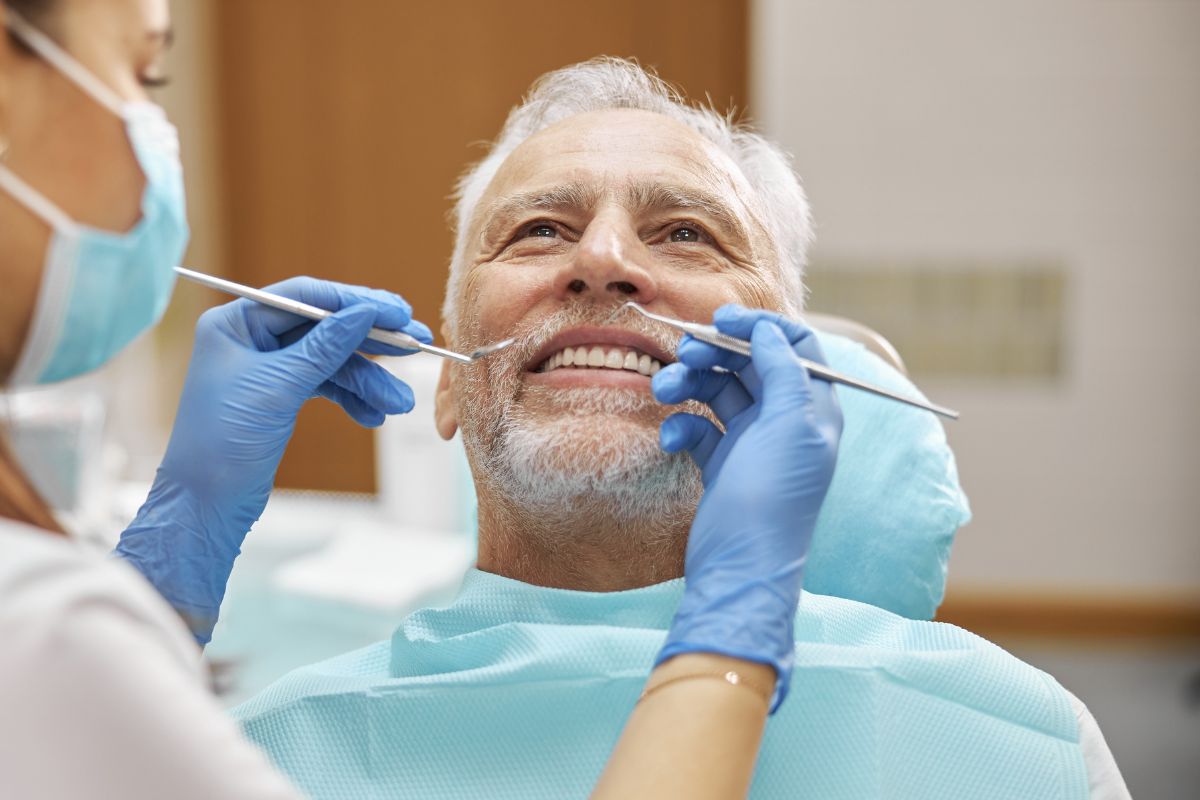
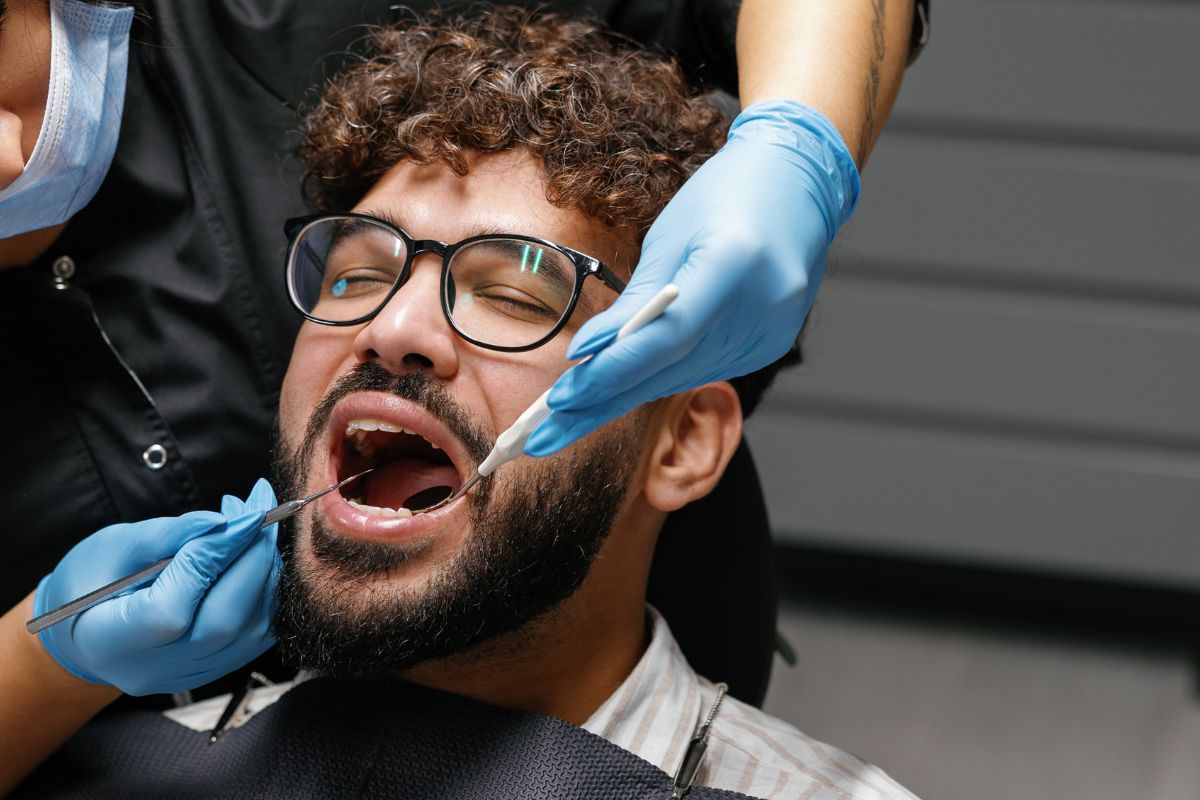
Even with excellent home care, professional dental examinations and cleanings remain essential. Regular checkups help identify concerns early and remove hardened plaque that cannot be eliminated through brushing alone.
Routine visits also provide an opportunity to discuss any changes in your oral health. If it has been a while since your last appointment, visit our dental office in Green Valley to maintain a healthy smile.
Prevention Supports Long-Term Oral Health
Consistent dental visits help detect small issues before they become more complicated, allowing for timely care and healthier outcomes.
Healthy smiles are built through consistent daily habits. Brushing, flossing, drinking water, eating nutritious foods, protecting your teeth, replacing your toothbrush regularly, and scheduling routine dental visits all contribute to better oral health. These simple practices can help reduce the risk of common dental problems while supporting strong teeth and healthy gums. Contact us today to schedule your next dental appointment and keep your smile on the right track.
Frequently Asked Questions
1. How often should I brush my teeth?
You should brush your teeth at least twice each day using fluoride toothpaste.
2. Is flossing really necessary?
Yes. Flossing removes plaque and food particles from areas your toothbrush cannot reach.
3. Why is drinking water important for oral health?
Water helps rinse away bacteria, supports saliva production, and reduces acid buildup.
4. How often should I replace my toothbrush?
Most toothbrushes should be replaced every three to four months or sooner if the bristles become worn.
5. Can diet affect my oral health?
Yes. Healthy foods help support strong teeth, while sugary foods and acidic beverages may increase the risk of tooth decay.
6. Why shouldn’t I use my teeth to open objects?
Using teeth as tools can cause chips, cracks, and other dental injuries.
7. How often should I visit the dentist?
Most people benefit from dental checkups and cleanings every six months, although recommendations may vary based on individual needs.