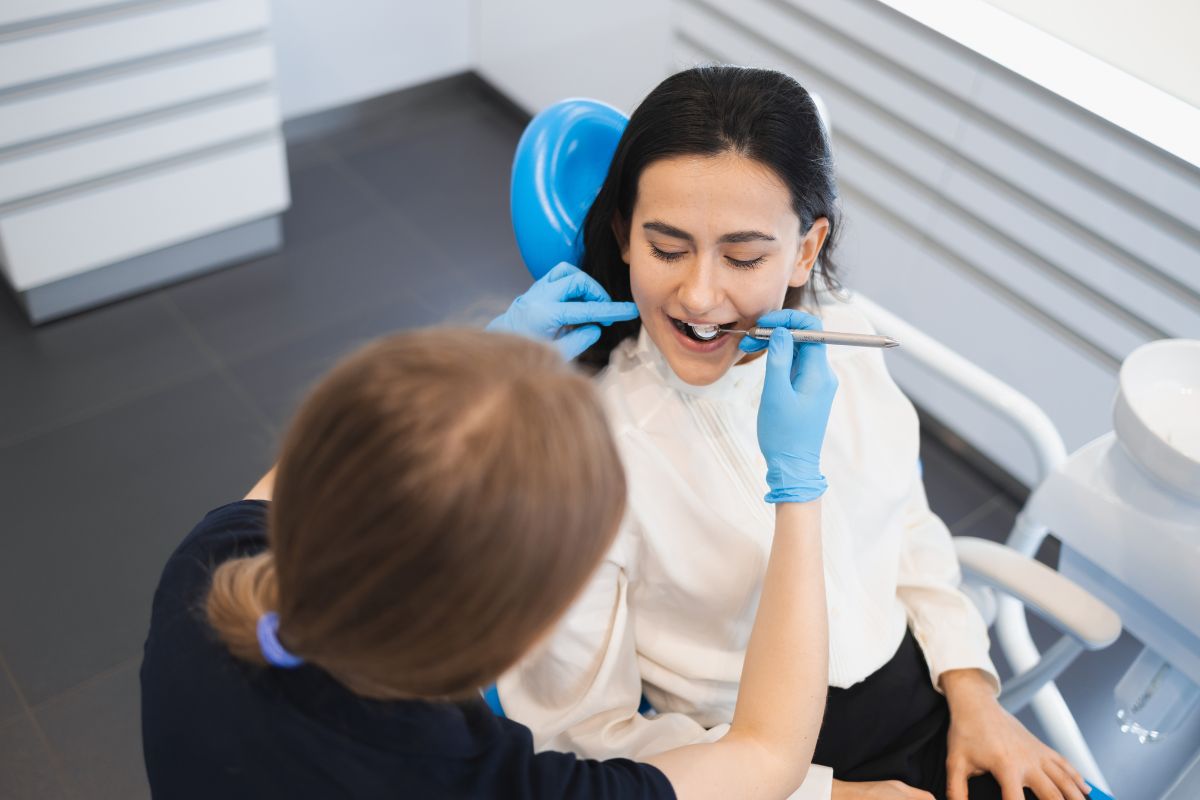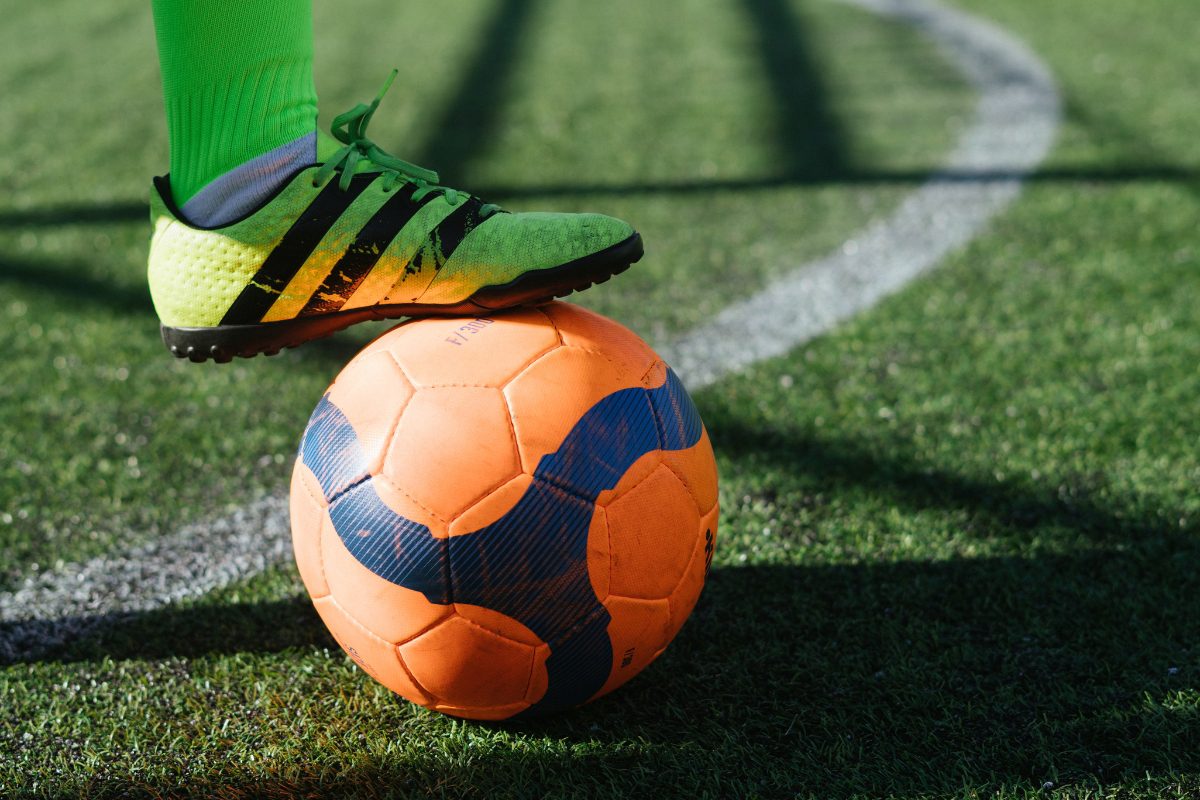
Invisalign® clear aligners are a fantastic option for straightening teeth while maintaining a discreet appearance. However, many people who participate in sports often wonder how Invisalign® fits into their active lifestyle. Here’s everything you need to know about playing sports with Invisalign®, from protection to performance.
Why Invisalign® is Great for Active Lifestyles
Invisalign® offers a clear advantage over traditional braces, especially when it comes to participating in sports. Here’s why:
- Removable Aligners: You can easily take them out for practices or games.
- Comfortable Fit: No metal brackets that may cause discomfort or injuries.
- Custom Protection: Invisalign® aligners offer some level of protection against minor impacts.
The Role of Invisalign® in Athletic Performance
Wearing Invisalign® during sports can sometimes raise concerns about safety and performance. However, Invisalign® aligners are designed to fit snugly on your teeth, offering comfort without hindering your athletic abilities.
Do You Need to Remove Invisalign® for Sports?
You might be wondering whether you need to remove your aligners when engaging in contact sports. The short answer is yes, for high-contact sports, you should remove your Invisalign® aligners to avoid damaging them. Here’s a breakdown by sport type:
- Non-Contact Sports: For non-contact activities such as running, swimming, or cycling, you can comfortably wear Invisalign® aligners without any issue.
- Contact Sports: For sports like football, basketball, or hockey, removing your Invisalign® and using a custom sports mouthguard is recommended to protect your teeth.
Custom Mouthguards and Invisalign®
If you’re engaged in contact sports, a custom mouthguard is essential. Fortunately, there are mouthguards designed to fit over Invisalign® aligners or that can be used while the aligners are out.
Key Benefits of Using a Custom Mouthguard:
- Teeth Protection: Mouthguards help prevent dental injuries, which are common in high-impact sports.
- Aligner Safety: Removing Invisalign® during high-contact activities can prevent cracks and damage to the aligners.
How to Properly Care for Invisalign® During Sports
It’s essential to care for your aligners properly, especially if you’re active. Here’s how:
1. Store Aligners Safely
Always carry your Invisalign® case with you and store your aligners properly when you remove them. Avoid wrapping them in napkins or loose items, as they may get lost or damaged.
2. Clean Them Regularly
After playing sports, rinse your aligners before placing them back in your mouth. Bacteria and debris can accumulate during physical activities, so maintaining good hygiene is important.
How Invisalign® Affects Your Diet During Sports
Invisalign® aligners do not impose strict dietary restrictions, but certain precautions should be taken during sports activities:
Hydration Tips for Athletes
- Drink Water: It’s essential to stay hydrated during sports, and you should always drink water while wearing Invisalign®.
- Avoid Sugary Drinks: Sugary or acidic drinks can get trapped in your aligners, leading to tooth decay.
What to Do if Your Invisalign® Aligners Get Damaged During Sports
Accidents happen, especially in high-intensity sports. If your aligners are damaged or cracked during play, here’s what to do:
- Remove the Damaged Aligners: If you notice a crack, take out the aligner to prevent further damage.
- Contact Your Orthodontist: Always notify your orthodontist immediately. They will advise you on whether to continue wearing the damaged aligner or move to the next set.
Can Invisalign® Enhance Athletic Performance?
While Invisalign® aligners don’t directly improve athletic performance, they can contribute to better oral health and confidence. Straighter teeth lead to improved oral function, which may indirectly enhance performance. Athletes who feel confident with their smile may experience a psychological boost, contributing to better performance.
Conclusion
Invisalign® is an ideal solution for athletes who want to maintain a straight smile while continuing to participate in sports. By taking the necessary precautions—such as wearing a mouthguard for contact sports and properly caring for your aligners—you can stay active and protect your teeth without compromising your orthodontic treatment.