Completing Invisalign treatment is an exciting milestone for patients in Green Valley. After months of wearing aligners, your teeth are finally in their new positions, and your smile feels refreshed. However, the journey does not end the moment your last aligner comes off. The period after Invisalign is just as important as the treatment itself. Understanding what happens next helps protect your results and keeps your smile stable for years to come.
The Transition Phase After Invisalign
Once your Invisalign treatment is complete, your teeth need time to adapt to their new alignment. Teeth naturally want to shift back to their original positions, especially during the first several months. This phase is critical because bone and surrounding tissues are still settling. Your dentist will guide you through this transition and explain how retainers play a key role in maintaining your results.
Why Retainers Are Necessary
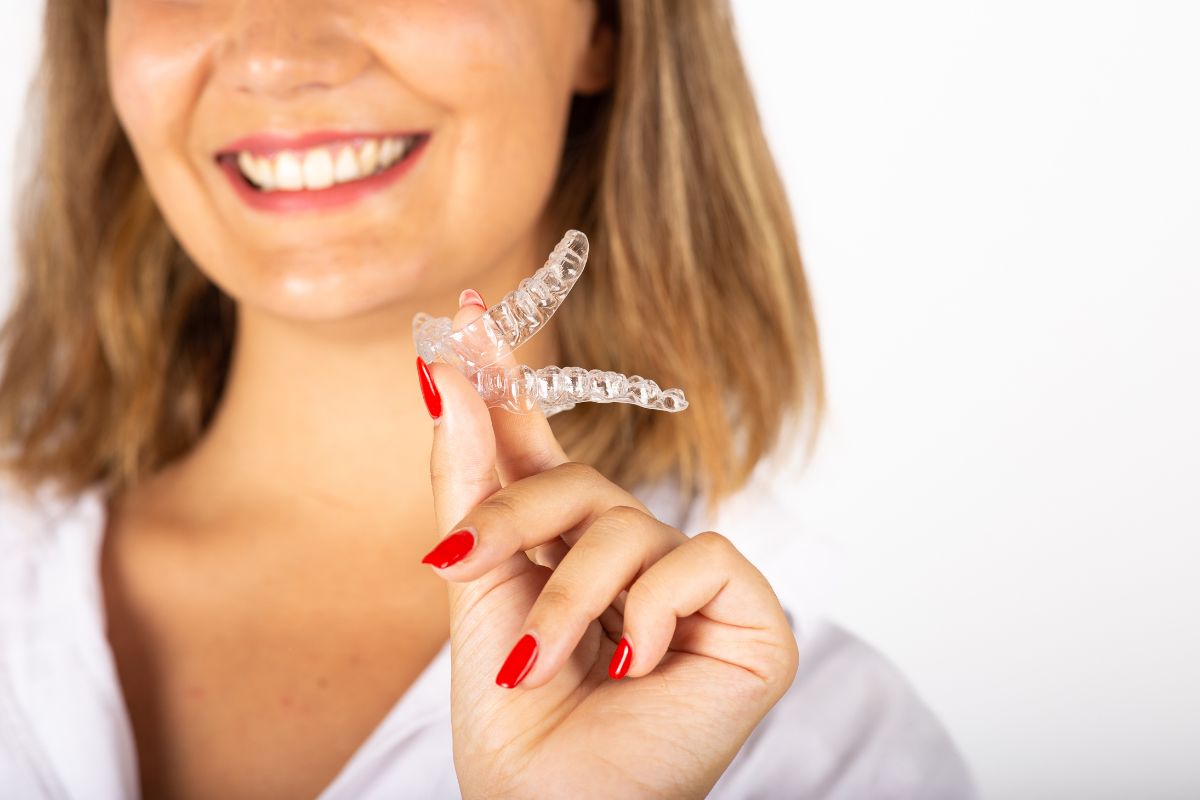
Retainers are custom-made dental appliances designed to hold your teeth in place. After Invisalign, retainers help prevent unwanted movement and keep your smile aligned. Many patients underestimate their importance, but consistent retainer use is the main reason long-term results remain stable.
Types of Retainers You May Wear
Your dentist may recommend either removable or fixed retainers, depending on your alignment needs. Removable retainers are typically worn full-time at first, then only at night. Fixed retainers are bonded to the backs of the teeth and remain in place continuously, without daily removal. Patients receiving invisalign in Green Valley are often advised on the option that best fits their lifestyle and oral structure during follow-up visits.
How Long Retainers Should Be Worn
Most patients wear retainers full-time for several months after Invisalign, then wear them at night indefinitely. Teeth can shift at any age, so long-term retainer use is essential. Wearing them as directed helps preserve the effort invested throughout your treatment.
Retainer Care and Maintenance
Proper retainer care keeps them comfortable, practical, and hygienic. Retainers should be cleaned daily using the gentle methods recommended by your dentist. Avoid exposing them to heat, as this can cause distortion. Always store them in a protective case when not in use to reduce the risk of damage or loss. If your retainer feels tight or uncomfortable, schedule a dental visit promptly.
Oral Hygiene After Invisalign
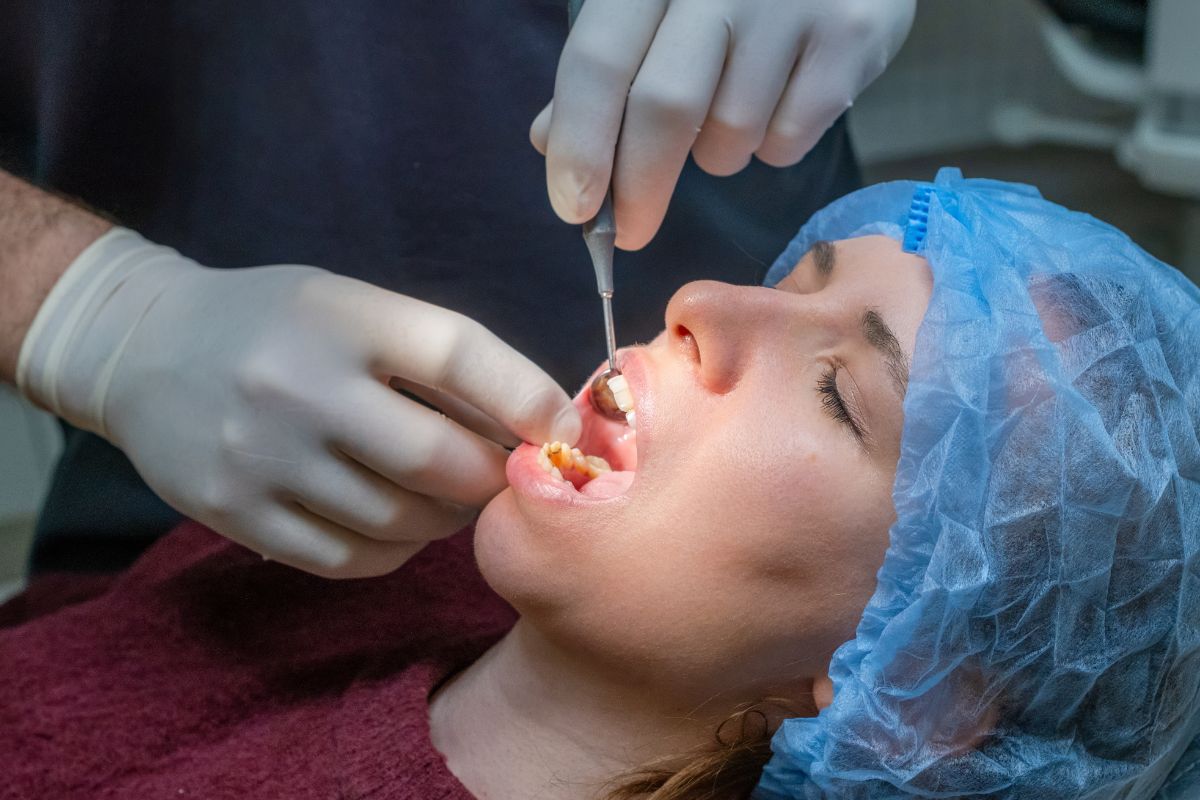
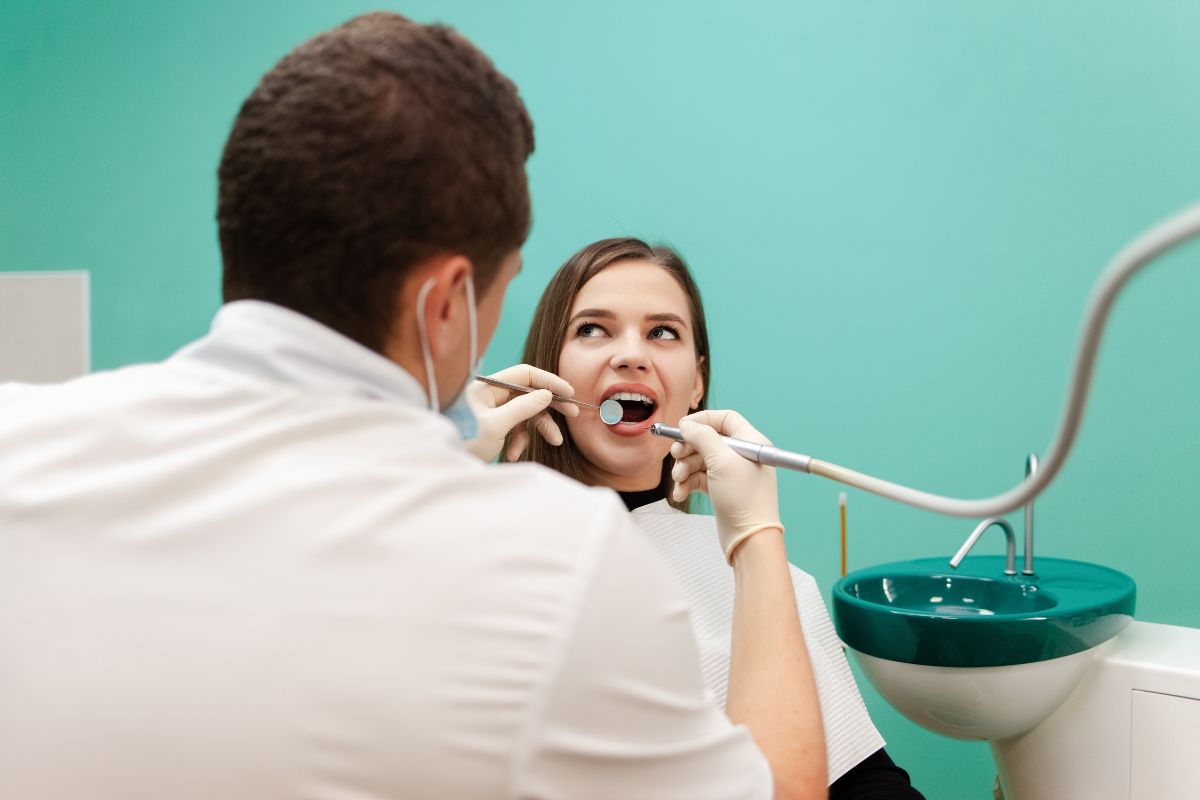
Good oral hygiene remains a priority after Invisalign treatment. Brushing and flossing regularly help prevent plaque buildup and gum disease, which can affect tooth stability. Routine dental checkups allow your dentist to monitor your alignment and ensure your retainers continue to fit correctly. This is also a good time to visit our dental office in Green Valley if you have concerns about wear patterns or comfort.
Lifestyle Habits That Protect Your Smile
Daily habits influence how well your Invisalign results last. Avoid chewing on complex objects, practice mindful eating, and wear protective gear during sports if recommended. These small habits reduce pressure on teeth and help your retainers do their job effectively.
When to Contact Your Dentist
If you notice changes in fit, discomfort, or misplacement of your retainer, do not ignore it. Early intervention can prevent further shifting. Staying proactive ensures your post-Invisalign phase remains smooth and stress-free.
A Smile Worth Protecting
Finishing Invisalign treatment is a significant achievement, but the habits you build afterward determine how lasting your results will be. Retainers, routine dental care, and mindful daily practices work together to keep your teeth aligned and comfortable. When questions arise or changes feel unexpected, professional guidance makes all the difference. If you ever need reassurance, adjustments, or long-term support, contact us to stay confident in the smile you worked so hard to achieve.
Frequently Asked Questions
How soon do I need to wear retainers after Invisalign?
Retainers are typically worn immediately after your final aligner to prevent any tooth movement.
Can my teeth shift even years after Invisalign?
Yes, teeth can shift at any age, which is why long-term retainer use is recommended.
How often should I clean my retainer?
Daily cleaning is ideal for maintaining hygiene and preventing odor or buildup.
What happens if I forget to wear my retainer?
Missing wear time can cause minor shifting, which may worsen if left unchecked.
Do retainers feel uncomfortable at first?
Mild tightness is usual initially, but discomfort should ease as your teeth adjust.
How often should I replace my retainer?
Replacement depends on wear and fit, but many retainers last several years with proper care.