Bleeding gums can be an early warning sign of oral disease or poor dental hygiene. If you notice blood when you brush or floss, it is essential to take action immediately. Ignoring the issue can lead to more severe problems, such as gingivitis, periodontitis, and even tooth loss. Fortunately, there are proven ways to stop bleeding gums and restore oral health.
Let’s explore the ten effective strategies to prevent gum bleeding.
Practical Steps To Follow For Preventing Gingival Bleeding
1. Brush Gently With Soft-Bristled Toothbrush
Using a toothbrush with hard bristles can cause gingival tissue irritation and increase bleeding. Switch to a soft-bristled brush and brush gently in a circular motion to clean effectively without harming the gums.
2. Floss Daily For Removing Plaque Buildup
Flossing helps remove food particles and plaque between teeth and under the gum line, like the areas where brushing cannot reach. Make flossing a daily habit, but be gentle to avoid further irritating the gums.
3. Use an antibacterial Mouth Rinse
Rinsing your mouth with antibacterial mouthwash can help reduce oral bacteria and inflammation, two significant factors in bleeding. To avoid drying out your mouth, look for a product that targets gum health and is alcohol-free.
4. Improve Brushing Technique
Aggressive brushing irritates the enamel and damages the gingival tissue. To get a thorough cleaning, hold your brush at a 45-degree angle and use short, gentle strokes.
5. Schedule your Regular Professional Cleaning
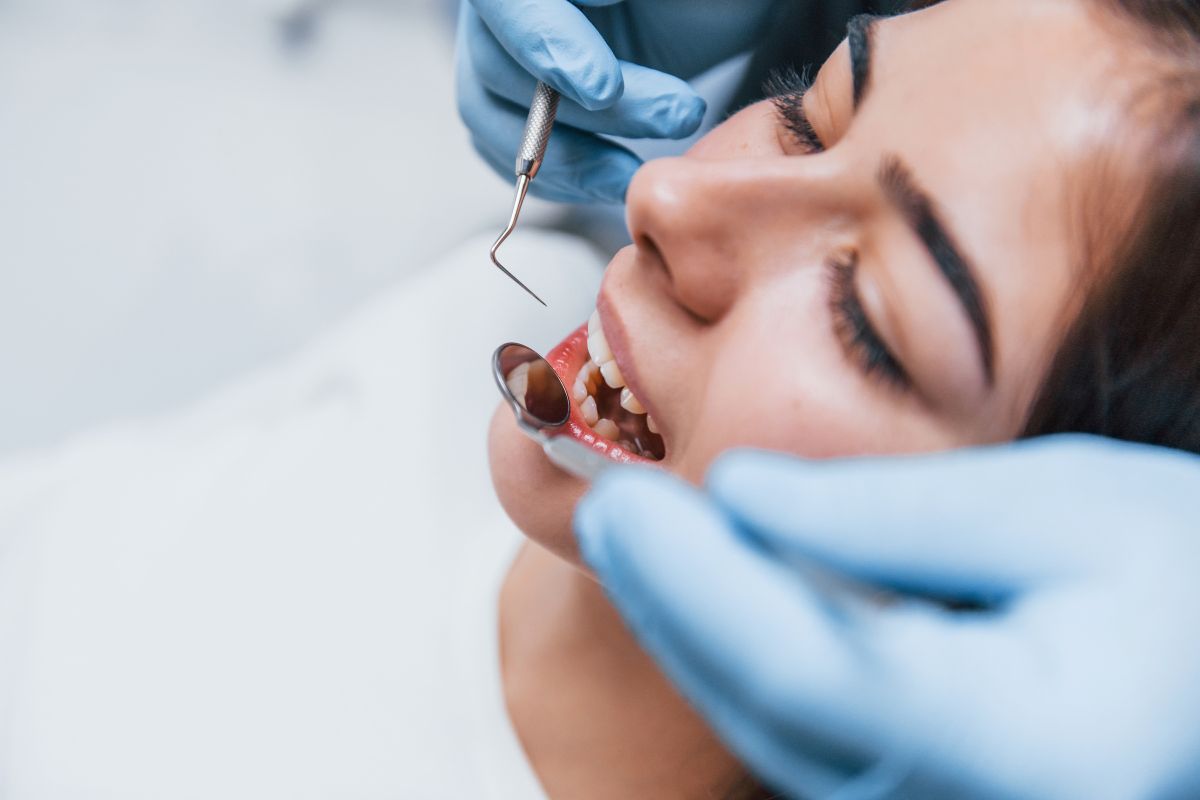
Plaque and tartar buildup are significant factors in bleeding gums. Regular professional cleanings every six months enable your dentist to eliminate hardened plaque that cannot be removed simply by brushing and flossing.
If you are experiencing ongoing gum bleeding, a dentist in Green Valley can conduct a comprehensive assessment and create a tailored treatment plan to address the problem at its source.
6. Stay Hydrated to Promote the Production of Saliva
Saliva neutralizes harmful acids in the mouth and helps eliminate bacteria. Staying hydrated throughout the day is essential to maintain moisture in the mouth and support gingival tissue health.
7. Stop Smoking and Using Tobacco
Using tobacco limits blood circulation to the gums and hinders healing, making it a significant risk factor for gingival disease. Giving up smoking can greatly enhance your gum health and overall oral care.
8. Consume a Nutrient-Rich Diet High in Vitamins C and K
Vitamins C and K are vital for maintaining healthy gums. Eat oranges, strawberries, kale, and spinach to strengthen your gums and help decrease inflammation.
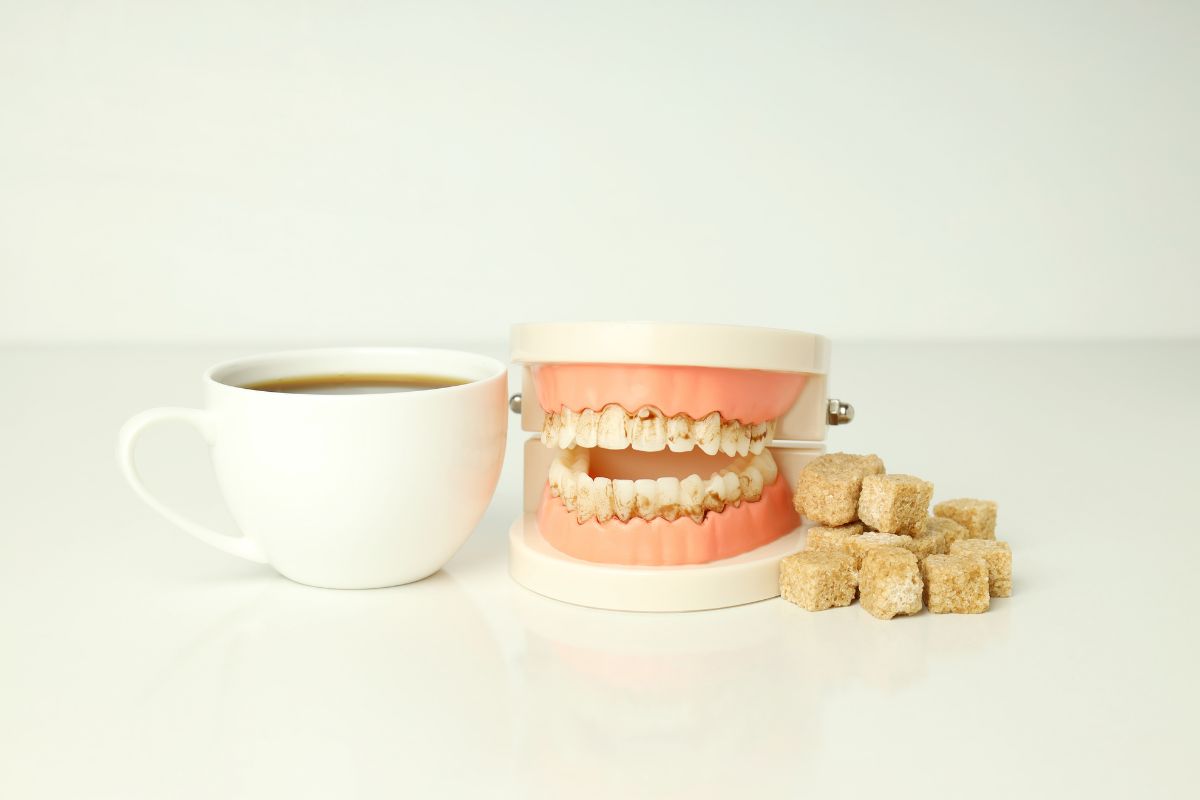
9. Limit Sugary Foods and Beverages
Sugar promotes the growth of harmful bacteria in the mouth, leading to gingival disease. Minimize your consumption of sugary snacks, sodas, and processed items to help manage bacterial proliferation and prevent gum bleeding.
10. Visit a Dentist for Specialized Treatments
If self-care is not alleviating your symptoms, consider professional interventions. Dentists can provide deep cleanings (scaling and root planing), laser treatments, or medications to address gingival infections and stop bleeding effectively.
Take Action Now for Improved Gum Health
Bleeding gums should always be taken seriously. They can often indicate underlying oral health problems that require prompt intervention. Adopting the recommendations can lead to significant improvement, but seeking professional assistance is usually crucial for lasting outcomes.
If you seek individualized care and specialized gum treatment, visit our dental office at CopperMine Dental Studio. Our skilled team is dedicated to helping you achieve healthier gums and a vibrant smile. Book your appointment today and take the initial step towards enhanced oral health.