Green Valley is known for its calm neighborhoods and family-friendly environment, but even in a place focused on wellness, daily habits can quietly affect oral health. One of the most overlooked factors is sugar consumption. While it may seem harmless in small amounts, sugar plays a major role in tooth decay, gum irritation, and long-term dental concerns. Understanding how it works can help you make better choices for your teeth and gums.
How Sugar Impacts Your Teeth
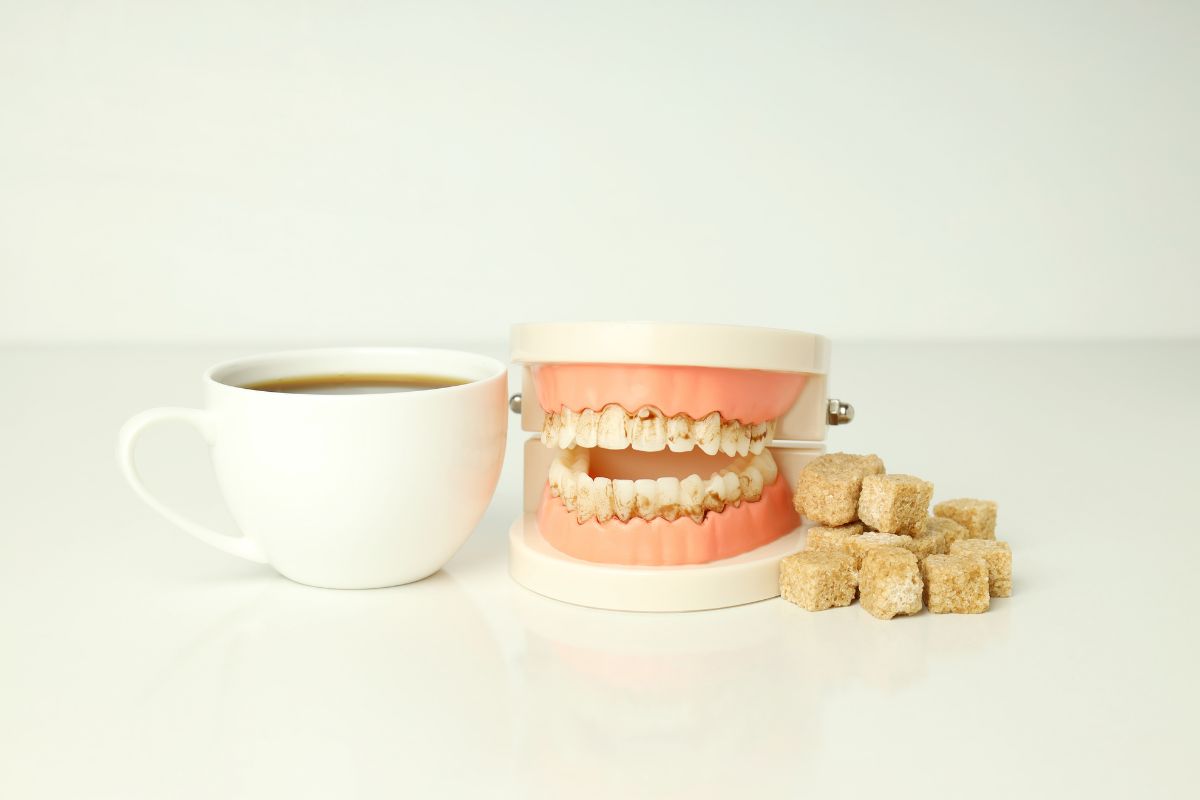
Sugar does not directly damage teeth on its own. The real issue begins when bacteria in the mouth feed on sugar, producing acid. This acid attacks tooth enamel, slowly weakening it over time. Repeated exposure can create small cavities that expand if not addressed early.
Frequent snacking on sugary foods or sipping sweetened drinks throughout the day increases acid exposure. Even foods that seem healthy, like flavored yogurts or granola bars, can contain hidden sugars that contribute to this process.
The Link Between Sugar and Oral Health Issues
When sugar is consistently present in the mouth, it creates an environment where harmful bacteria thrive. This imbalance can lead to plaque buildup, gum irritation, and eventual tooth sensitivity. Over time, it may also affect the deeper structures supporting the teeth.
Regular checkups help track early changes, and in Green Valley, a trusted dentist can identify signs of enamel wear or early decay before they develop into more serious problems. Early attention often prevents discomfort and reduces the need for extensive procedures later.
Why Timing and Frequency Matter
It is not just the amount of sugar consumed, but how often it is consumed that matters. Eating sugary foods throughout the day keeps acid levels high in the mouth. Allowing time between meals helps saliva naturally neutralize acids and repair enamel.
Drinking water after consuming sugar can also help rinse away residues and support oral balance.
Daily Habits That Support Oral Health
Brushing twice a day with fluoride toothpaste and flossing daily are foundational habits that help reduce sugar-related damage. However, consistency matters more than intensity. Skipping routine care allows plaque to harden and become more difficult to remove.
Reducing sugary beverages and choosing water or unsweetened options can also significantly improve oral conditions over time. Even small adjustments in daily routines can make a noticeable difference.
Professional Dental Care and Prevention
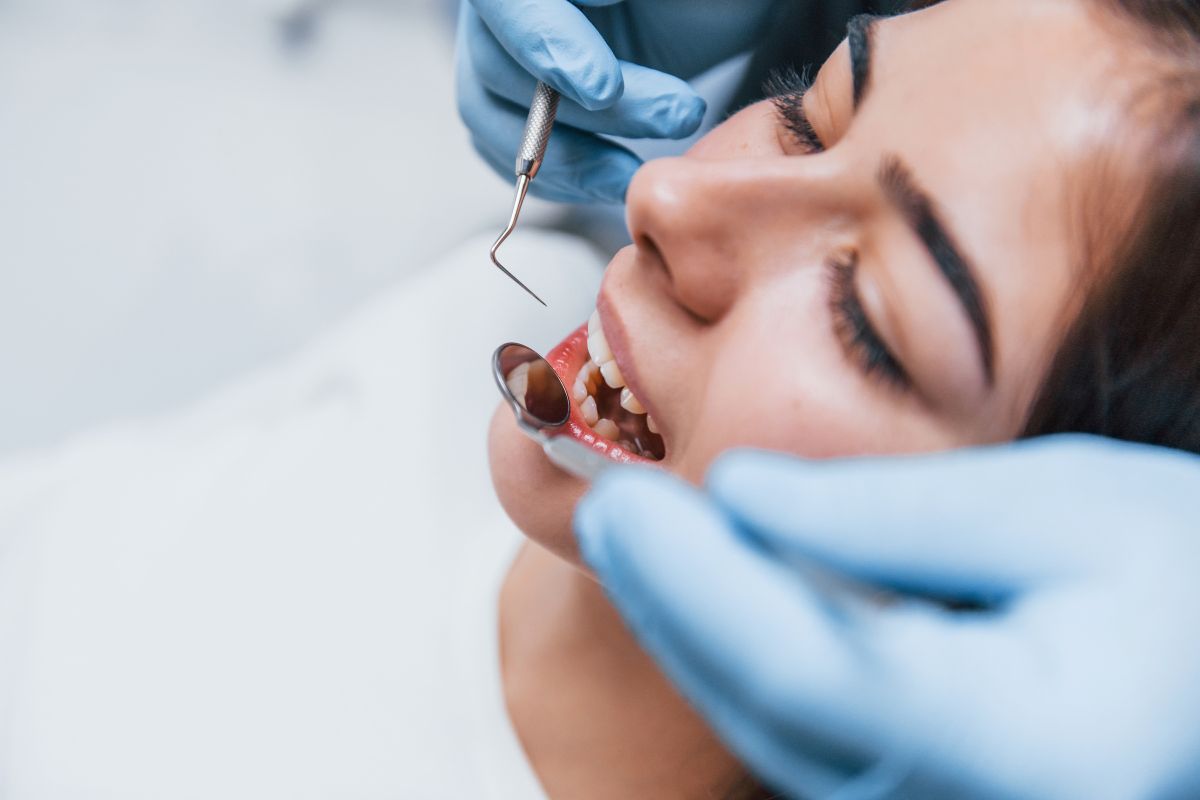
Routine dental visits are an important part of maintaining oral health. During these visits, plaque buildup, enamel condition, and early signs of decay can be evaluated. A preventive approach helps reduce complications and supports long-term tooth stability.
When concerns arise, it is helpful to visit our dental office in Green Valley for a detailed assessment and guidance on maintaining oral hygiene routines that match your needs.
If you are noticing sensitivity, frequent sugar intake effects, or changes in your oral health, it may be time to take the next step.
Contact us today to schedule an appointment and receive guidance on protecting your teeth from sugar-related damage.
FAQs
- How does sugar cause tooth decay?
Sugar feeds bacteria in the mouth, which produce acids that weaken tooth enamel over time. - Are natural sugars less harmful than refined sugars?
Natural sugars still contribute to acid production and can affect enamel similarly when consumed frequently. - Can brushing immediately after sugar help?
It is better to wait a short period before brushing so softened enamel is not worn down. - How often should I reduce sugar intake for better oral health?
Limiting frequent sugar exposure throughout the day is more important than complete avoidance. - What are early signs of sugar-related dental issues?
Sensitivity, white spots on teeth, and mild discomfort when eating sweets may appear early. - Can drinking water help reduce sugar effects?
Yes, water helps rinse the mouth and supports saliva in neutralizing acids. - Why are regular dental visits important?
They help detect early changes in enamel and gums before they become more serious concerns.