Living in Green Valley means enjoying beautiful springs and summers, but it also comes with seasonal allergies that affect many residents. While most people focus on sneezing, congestion, and watery eyes, few realize that these allergies can also impact oral health. Understanding the connection can help you protect your teeth, gums, and overall mouth health during allergy season.
How Seasonal Allergies Affect Your Mouth
Seasonal allergies trigger your immune system to react to allergens such as pollen, dust, and mold. This reaction can cause inflammation not only in your nasal passages but also in your mouth. One common effect is dry mouth. When nasal congestion is severe, many people breathe through their mouths, which can reduce saliva production. Saliva plays a crucial role in neutralizing acids and washing away bacteria, so decreased saliva can lead to increased plaque buildup and a higher risk of cavities.
Another way allergies can affect oral health is by causing gum inflammation. Allergic reactions can cause your body to release histamines, which may result in swollen or tender gums. Over time, untreated inflammation can contribute to gum disease, including gingivitis and periodontitis.
Oral Hygiene During Allergy Season
Maintaining oral hygiene is essential, especially during allergy season. Brushing twice a day, flossing daily, and using an antimicrobial mouthwash can help reduce dry mouth and inflammation. Nasal irrigation and staying hydrated can also reduce the impact of allergies on your mouth.
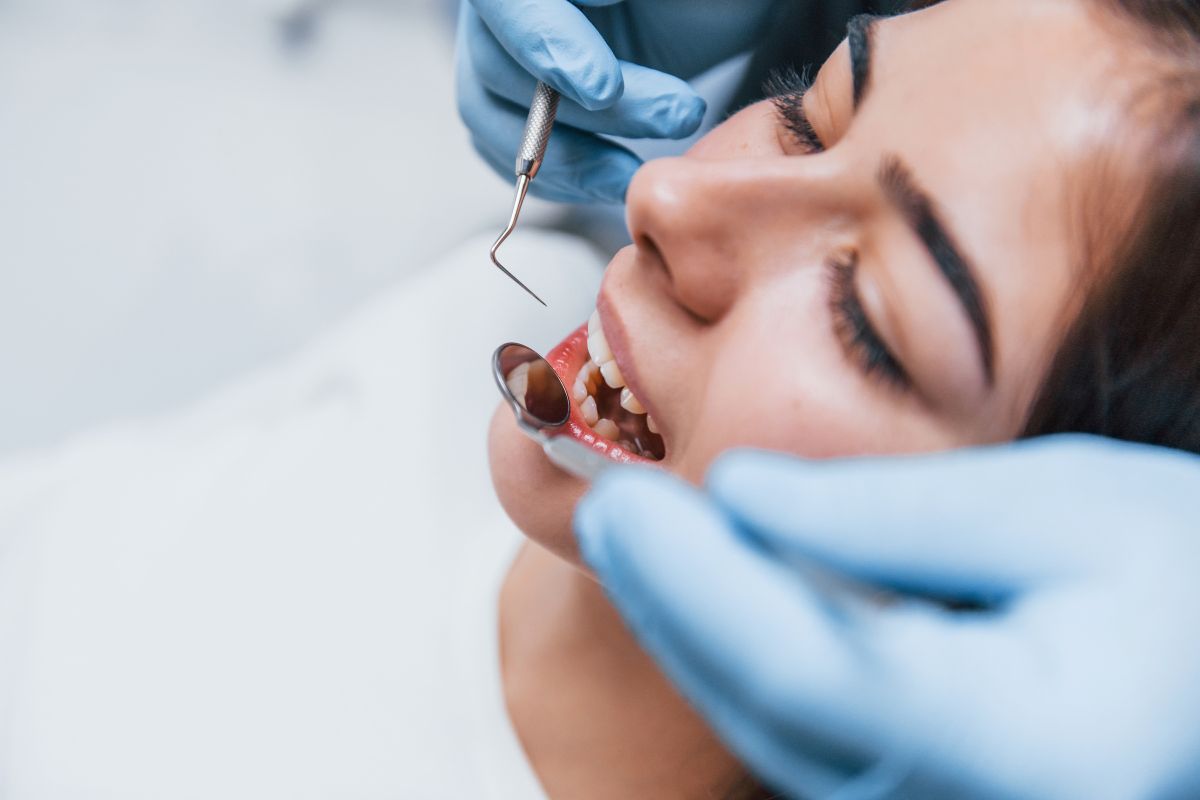
If symptoms persist, consulting a trusted dentist in Green Valley can be invaluable. They can check for early signs of gum disease, recommend treatments for dry mouth, and provide guidance on maintaining oral health while managing allergies. Visiting your dentist regularly helps prevent small problems from becoming major issues. Make it a point to visit our dental office in Green Valley at least twice a year for professional cleanings and oral health assessments.
Foods and Habits to Avoid During Allergy Season
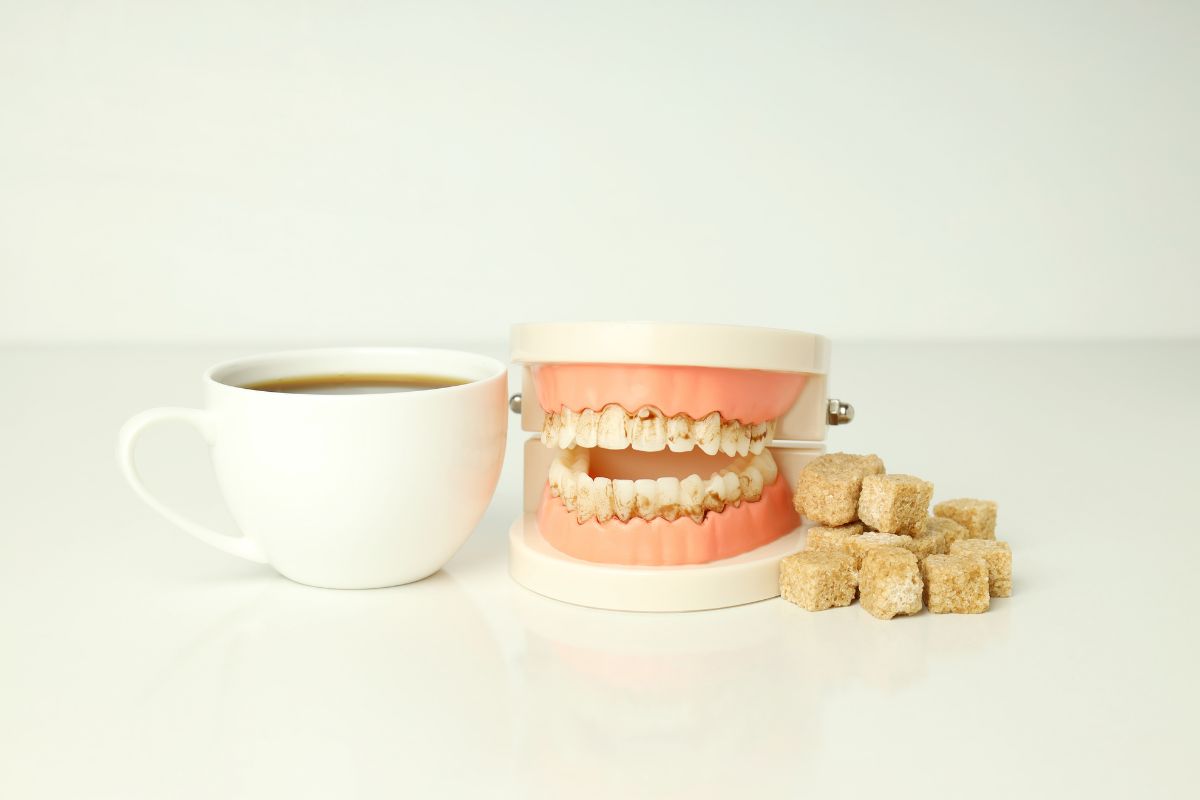
Certain foods and habits can exacerbate oral health issues during allergy season. Sugary snacks and acidic drinks can worsen dry mouth and increase cavity risk. Smoking and alcohol can also intensify inflammation and irritation in your mouth. Focusing on a diet rich in water, fresh fruits, and vegetables can support oral health while alleviating some allergy symptoms.
When to Seek Professional Help
Persistent gum swelling, mouth sores, or severe dry mouth may indicate you need professional care. A dentist can provide targeted solutions, from prescription-strength mouth rinses to personalized advice on managing oral health during allergy season. Don’t wait until discomfort becomes severe—early intervention can prevent long-term complications.
Take Action Today
Protecting your oral health during seasonal allergies is possible with simple adjustments and professional guidance. Contact us to schedule an appointment and ensure your mouth stays healthy year-round.
FAQs
- Can seasonal allergies cause bad breath?
Yes, dry mouth and increased bacterial growth due to allergies can lead to bad breath. Staying hydrated and using antimicrobial rinses can help. - How does mouth breathing affect oral health?
Mouth breathing reduces saliva production, which increases the risk of cavities, gum inflammation, and discomfort. - Are allergy medications safe for my teeth?
Some antihistamines can cause dry mouth, so it’s important to stay hydrated and maintain oral hygiene while taking these medications. - Can pollen allergies lead to gum disease?
Indirectly, yes. Allergic reactions can cause inflammation that may worsen gum conditions if not properly managed. - What dental checkups are recommended during allergy season?
Regular professional cleanings and exams every six months help identify early signs of cavities or gum disease worsened by allergies. - Are there natural remedies to protect oral health during allergies?
Saline nasal rinses, staying hydrated, and maintaining a balanced diet can help reduce allergy-related oral issues. - When should I see a dentist about allergy-related oral problems?
Persistent dry mouth, gum swelling, or tooth sensitivity are all signs to consult your dentist promptly.