Maintaining good oral hygiene is a daily habit that many people in Sahuarita value, yet small missteps can quietly affect long-term dental health. Even with the best intentions, routines can fall short if they’re based on myths or outdated practices. Understanding where things go wrong is the first step toward protecting your teeth and gums for years to come.
Mistake One: Brushing Too Hard
Brushing harder doesn’t mean brushing better. Using excessive pressure can wear down enamel and irritate gum tissue, making teeth more sensitive over time. A gentle technique with a soft-bristled toothbrush is far more effective at removing plaque while preserving enamel. Let the brush do the work, not your arm.
Mistake Two: Skipping the Gumline
Many people focus only on the visible surfaces of their teeth, ignoring the gumline. This area is where plaque and bacteria often collect, leading to inflammation and gum disease. Angling the toothbrush slightly toward the gums helps clean this critical area without irritating the gums.
Mistake Three: Inconsistent Flossing
Flossing is often treated as optional, but it plays a major role in oral health. Food particles and plaque between teeth cannot be reached by brushing alone. In the middle of your oral care routine, advice from a trusted dentist near Sahuarita can help reinforce the benefits of daily flossing for healthier gums and fresher breath over time.
Mistake Four: Rushing the Routine
Time matters when it comes to oral hygiene. Brushing for less than 2 minutes may leave harmful buildup behind. Taking a full two minutes, twice a day, allows you to clean all surfaces thoroughly. A consistent pace ensures no area is overlooked.
Mistake Five: Ignoring Regular Checkups
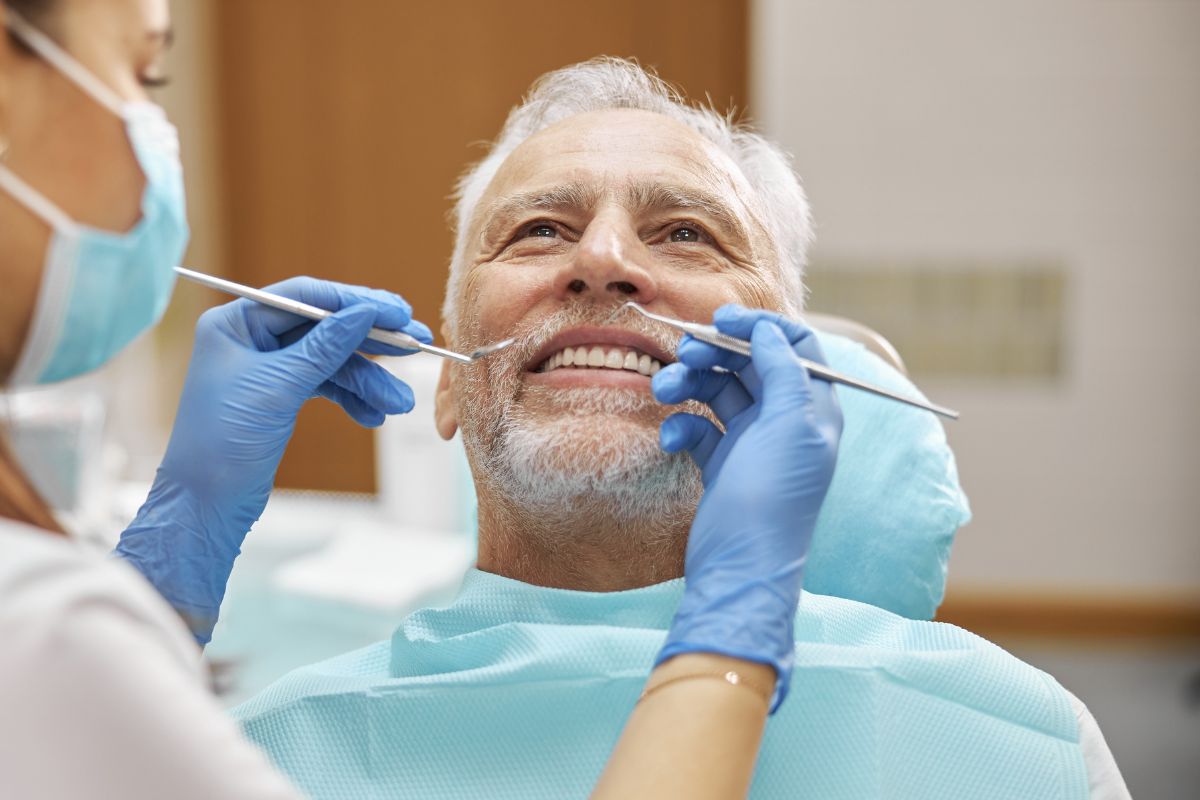
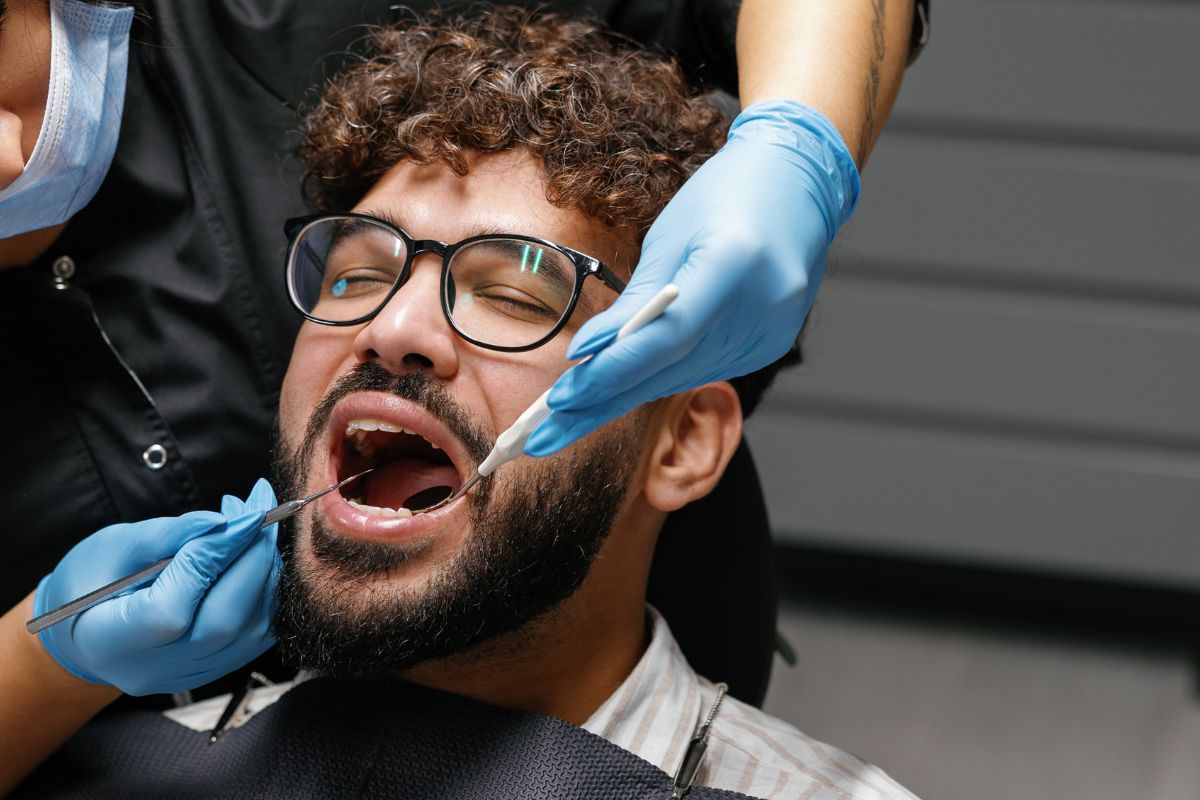
Even with excellent home care, professional evaluations are essential. Dentists can spot early signs of issues that aren’t yet visible or painful. Scheduling regular appointments helps maintain oral health and supports preventive care. When concerns arise, it’s wise to visit our dental office in Sahuarita and seek professional guidance rather than delay treatment due to discomfort.
How Small Changes Make a Big Difference
Correcting these habits doesn’t require a complete overhaul. Small adjustments, like softer brushing or consistent flossing, can significantly improve oral health. Over time, these changes help preserve natural teeth and support overall wellness.
Ready to Give Your Oral Care Routine a Reset?
Small daily habits can make a big difference in protecting your teeth and gums. If you’re unsure whether your current routine is truly supporting your long-term oral health, professional guidance can help you stay on track. Whether it’s preventive care or personalized advice, we’re here to help. Contact us today to schedule your next appointment and take a confident step toward healthier teeth.
Frequently Asked Questions
- How long should I brush my teeth each time?
Dentists recommend brushing for two full minutes to ensure all surfaces are cleaned properly. - Is flossing really necessary every day?
Yes, daily flossing removes plaque and debris between teeth that brushing alone cannot reach. - Can brushing too hard damage my teeth?
Brushing aggressively can wear down enamel and irritate gums, leading to sensitivity. - How often should I replace my toothbrush?
Most dentists suggest replacing it every 3 to 4 months, or sooner if the bristles fray. - Are electric toothbrushes better than manual ones?
Both can be effective when used correctly; technique and consistency matter most. - Why are regular dental visits important if I brush and floss?
Professional exams help detect early signs of dental issues before they worsen. - What’s the best way to improve my daily oral hygiene routine?
Focus on gentle brushing, daily flossing, proper timing, and regular dental checkups.