
Cosmetic Dental Bonding Saves Money
We are aware of how essential it is to you to maintain the beauty of your smile. If you have discolouration, small chipping, or spacing, you shouldn’t need to undergo a challenging and costly dental operation. Cosmetic bonding is a service that CopperMine Dental Studio in Sahuarita, AZ, offers to assist resolve these minor problems that occasionally arise without the expense of more involved procedures.
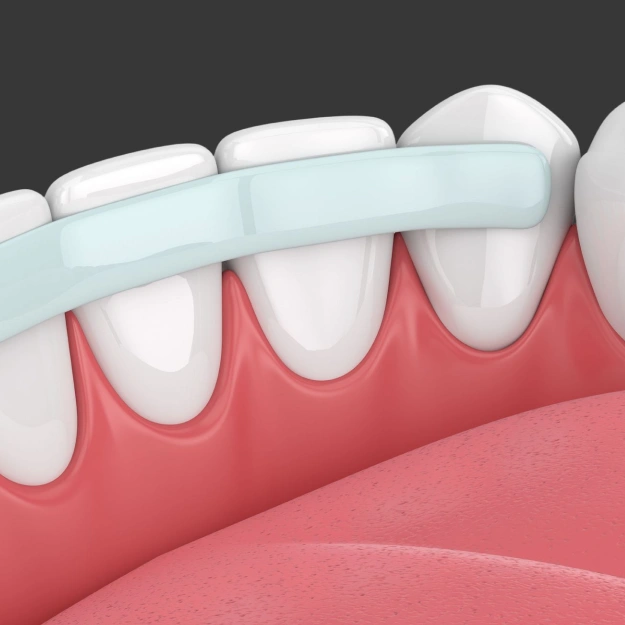
Cosmetic dental bonding is a quick and conservative treatment that improves the appearance of your teeth using tooth-colored resin material. The material is shaped directly on the tooth and then hardened to blend naturally with the surrounding teeth. Many patients choose bonding because it improves the appearance of the smile while preserving most of the natural tooth structure.
What Cosmetic Dental Bonding Can Improve
Dental bonding is often recommended for small cosmetic concerns that affect the appearance of the smile. It offers a practical way to improve tooth shape and color without extensive dental work.
Bonding can help correct:
- Small chips or cracks in teeth
- Minor gaps between teeth
- Slightly uneven or misshaped teeth
- Tooth discoloration that does not respond to whitening
- Areas where enamel has worn down
Because the material is carefully matched to your tooth color, the results blend naturally with the surrounding teeth.
How Does Cosmetic Dental Bonding Work
Dental bonding is a rather simple operation. First, our doctors will clean the area where he will administer the bonding glue. Then he’ll select a resin that matches your tooth color. He will next connect and mold the resin to the contour of the tooth.
The resin is applied in layers until the area achieves the desired appearance. Our team will then solidify the resin with UV light. Once the resin has cured, the next step is to ensure that the tooth appears properly. The last step is to polish the tooth.
After polishing, the bonded tooth looks smooth and natural. The procedure is usually completed during a single visit and typically does not require anesthesia unless bonding is used to repair a cavity or damaged area.
Why Patients Choose Dental Bonding
Cosmetic bonding in Sahuarita, AZ, offers several benefits that make it a common choice for improving the appearance of teeth.
- Conservative Treatment: Bonding usually requires little to no removal of natural tooth structure.
- Quick Results: Most bonding procedures are completed in one visit, allowing you to leave the office with immediate improvements.
- Natural Appearance: The composite resin is selected to match your natural tooth color, helping the bonded area blend with your smile.
- Comfortable Procedure: Bonding is typically painless and rarely requires anesthesia.
Immediate Care After Cosmetic Dental Bonding
Resin can stain and is most likely to within the first few hours after treatment. This is why you should avoid consuming liquids such as coffee, tea, and red wine. You should also avoid smoking during this period.
Following these guidelines helps protect the newly bonded surface while the material fully stabilizes. Good oral hygiene habits and regular dental visits will also help keep the bonded area looking its best. Dental bonding can last several years when properly maintained.
Schedule a Consultation
If you have questions about dental bonding please reach out to dentist in Sahuarita, AZ, at 520-838-0600 or email us. Our team at CopperMine Dental Studio can evaluate your smile and help determine if cosmetic bonding is the right solution for your needs.
FAQs About Dental Bonding
How long does cosmetic dental bonding last?
Dental bonding can last several years with proper care. Its lifespan depends on daily habits, oral hygiene, and the location of the bonded tooth. Regular dental visits help monitor the condition of the bonding.Does dental bonding look natural?
Yes. The composite resin used in bonding is selected to match the color of your natural teeth. After shaping and polishing, the bonded area blends with the surrounding teeth.Is dental bonding painful?
Cosmetic bonding is typically painless. The procedure usually does not require anesthesia unless bonding is used to repair a cavity or damaged area of the tooth.Can bonding repair chipped teeth?
Yes. Dental bonding is commonly used to repair small chips or cracks in teeth. The resin is shaped to restore the natural contour of the tooth.Is cosmetic bonding reversible?
Because bonding usually requires little to no removal of natural enamel, the procedure is often considered minimally invasive and may be adjusted or replaced in the future if necessary.How do I care for bonded teeth?
Caring for bonded teeth involves brushing, flossing, avoiding hard objects, and attending routine dental visits. These steps help protect the bonded surface and maintain your smile.