
Protect Your Oral Health: Early Cancer Screening
Oral cancer is increasingly common, yet it often goes undetected because awareness is lower compared to other cancers such as breast or lung cancer. Early detection is vital, as it greatly increases the likelihood of successful treatment. At CopperMine Dental Studio, we are dedicated to helping our patients identify oral cancer in its earliest stages through regular, thorough oral cancer screenings.
Understanding Oral Cancer Screening
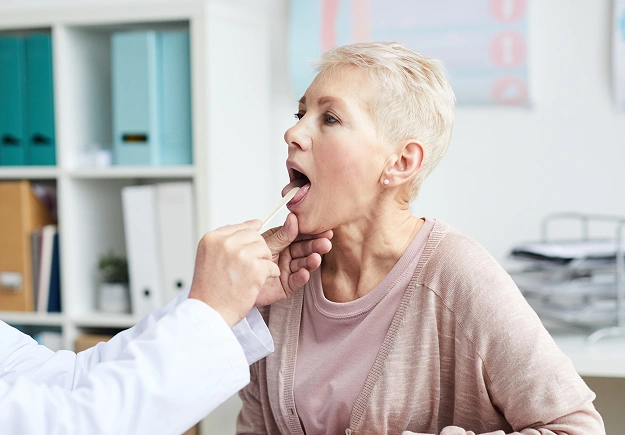
Oral cancer screening is a simple and quick procedure usually performed during your routine dental cleaning appointments at CopperMine Dental Studio. During the screening, our doctors carefully examine the tissues in your mouth, looking for any signs of abnormalities, including:
- Unusual textures in the mouth
- White or red spots on oral tissues
- Lumps, bumps, or abnormal growths
If any abnormalities are detected during the screening, additional tests may be recommended to determine whether they are cancerous or precancerous. Oral cancer screening is a vital part of proactive dental care and should be performed regularly, particularly for individuals with higher risk factors.
Who Is at Risk for Oral Cancer
Certain lifestyle habits and health factors can raise your risk of developing oral cancer. Common risk factors include:
- Tobacco Use: Includes smoking or using smokeless tobacco products.
- Alcohol Consumption: Frequent or heavy drinking increases risk.
- Age: The risk of oral cancer rises as you get older.
- Previous History of Oral Cancer: Past occurrences can increase susceptibility.
- Family History of Cancer: Genetic factors may elevate risk.
If you have any of these risk factors, it is especially important to schedule regular oral cancer screenings. Early detection can make a significant difference in treatment outcomes and overall oral health.
Schedule an Oral Cancer Exam at CopperMine Dental Studio
Oral cancer is often diagnosed at a late stage because many people are unaware of the risk factors and early warning signs. By the time symptoms appear, treatment can become more complicated and less effective.
Regular oral cancer screenings have been shown to increase survival rates to 80% or higher. This quick and simple test can be critical for early detection and successful treatment.
At CopperMine Dental Studio, we encourage all patients to include oral cancer screenings as part of their routine dental exams. Our team is committed to helping you maintain excellent oral health and protecting you from serious conditions like oral cancer. Call us at 520-625-1600 or email us today to schedule your next dental exam.
FAQs About Oral Cancer Screening
How is oral cancer screening done?
Oral cancer screening is usually performed during your routine dental cleaning appointment. The dentist will visually examine your mouth for lumps, unusual spots, or other abnormalities. Sometimes, special lights or dyes may be used to help identify suspicious areas.How often should I get an oral cancer screening?
Adults are generally recommended to have an oral cancer screening at least once a year during their regular dental exams. Those with higher risk factors may need screenings more frequently.What are the signs of oral cancer I should watch for?
Signs of oral cancer may include persistent mouth sores, difficulty swallowing, unexplained pain in the mouth or throat, and the appearance of red or white patches inside the mouth.Can oral cancer be treated if caught early?
Yes. Early detection of oral cancer significantly increases the chances of successful treatment. Early-stage oral cancer can often be treated with surgery, radiation therapy, or chemotherapy, offering better outcomes.Who is at risk for oral cancer?
While oral cancer can affect anyone, risk is higher for individuals who smoke or use tobacco products, consume alcohol regularly, are over the age of 40, or have a personal or family history of oral cancer.