
Cosmetic Dental Bonding Saves Money
We understand how important it is for you to maintain a beautiful smile. If you are dealing with discoloration, small chips, or minor gaps, you may not need to undergo complex or expensive dental procedures. Cosmetic bonding is a treatment offered at CopperMine Dental Studio in Green Valley, AZ that helps address these minor imperfections without the need for more extensive treatments.
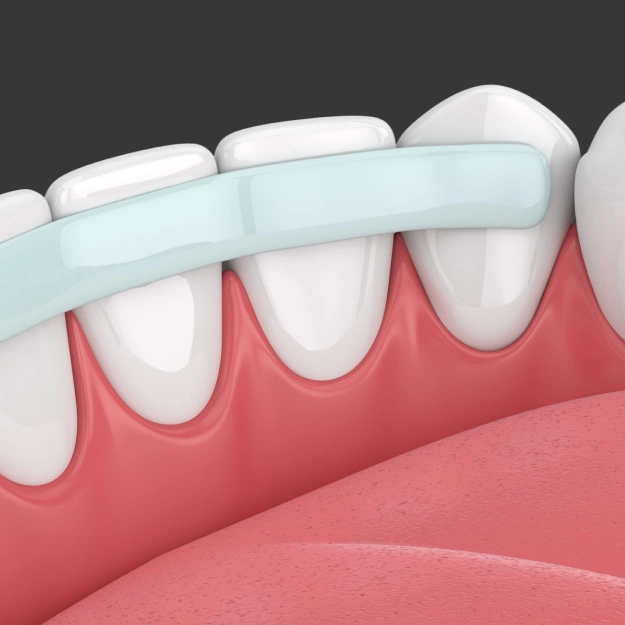
Cosmetic dental bonding is a quick and conservative procedure that enhances the appearance of your teeth using a tooth-colored resin material. The resin is carefully applied and shaped directly on the tooth, then hardened so it blends naturally with your surrounding teeth. Many patients choose bonding because it improves their smile while preserving most of the natural tooth structure.
What Cosmetic Dental Bonding Can Improve
Dental bonding is commonly recommended for minor cosmetic issues that impact the look of your smile. It provides a simple and effective way to enhance the shape and color of teeth without the need for extensive dental procedures.
Dental bonding can help address:
- Minor chips or cracks in the teeth
- Small gaps between teeth
- Teeth that are slightly uneven or irregular in shape
- Discoloration that does not improve with whitening treatments
- Areas where tooth enamel has become worn
Since the material is specially matched to your natural tooth color, the results blend seamlessly with your surrounding teeth.
How Does Cosmetic Dental Bonding Work
Dental bonding is a straightforward procedure. First, our doctors clean the tooth to prepare it for the bonding material. Next, they select a resin that matches your natural tooth color and carefully apply it to the tooth, shaping it to the desired contour.
The resin is applied in layers until the tooth achieves the intended appearance. It is then hardened using a UV light, and the doctor checks to ensure the tooth looks natural and properly shaped. The final step is polishing, which gives the tooth a smooth, seamless finish.
Once complete, the bonded tooth looks natural and blends perfectly with your smile. Most bonding procedures can be finished in a single visit and usually do not require anesthesia, unless the bonding is being used to repair a cavity or other damaged area.
Why Patients Choose Dental Bonding
Cosmetic bonding in Sahuarita, AZ provides several advantages, making it a popular option for enhancing the appearance of your teeth.
- Conservative: Bonding usually keeps most of your natural tooth intact.
- Quick: Most procedures are done in one visit.
- Natural Look: Resin matches your tooth color for a seamless smile.
- Comfortable: Usually painless and rarely needs anesthesia.
Immediate Care After Cosmetic Dental Bonding
Resin is most prone to staining in the first few hours after treatment, so it’s best to avoid drinks like coffee, tea, and red wine, as well as smoking during this time.
Following these precautions helps protect the bonded surface while it fully sets. Maintaining good oral hygiene and keeping regular dental visits will also help your bonding look its best. With proper care, dental bonding can last for several years.
Schedule a Consultation
If you have questions about dental bonding please reach out to dentist in Green Valley, AZ, at 520-625-1600 or email us. Our team at CopperMine Dental Studio can evaluate your smile and help determine if cosmetic bonding is the right solution for your needs.
FAQs About Dental Bonding
How long does cosmetic dental bonding last?
Dental bonding can last several years with proper care. Its lifespan depends on daily habits, oral hygiene, and the location of the bonded tooth. Regular dental visits help monitor the condition of the bonding.Does dental bonding look natural?
Yes. The composite resin used in bonding is selected to match the color of your natural teeth. After shaping and polishing, the bonded area blends with the surrounding teeth.Is dental bonding painful?
Cosmetic bonding is typically painless. The procedure usually does not require anesthesia unless bonding is used to repair a cavity or damaged area of the tooth.Can bonding repair chipped teeth?
Yes. Dental bonding is commonly used to repair small chips or cracks in teeth. The resin is shaped to restore the natural contour of the tooth.Is cosmetic bonding reversible?
Because bonding usually requires little to no removal of natural enamel, the procedure is often considered minimally invasive and may be adjusted or replaced in the future if necessary.How do I care for bonded teeth?
Caring for bonded teeth involves brushing, flossing, avoiding hard objects, and attending routine dental visits. These steps help protect the bonded surface and maintain your smile.