Dental veneers are widely used in cosmetic dentistry to enhance the appearance of teeth by providing a natural, flawless smile. These thin, durable shells are bonded to the front surface of teeth to conceal imperfections. However, a common question among patients is whether cavities can form beneath a veneer. This article will explain how veneers work, the risk of cavities developing underneath, and the best practices to maintain optimal oral health.
Understanding Veneers and Their Function
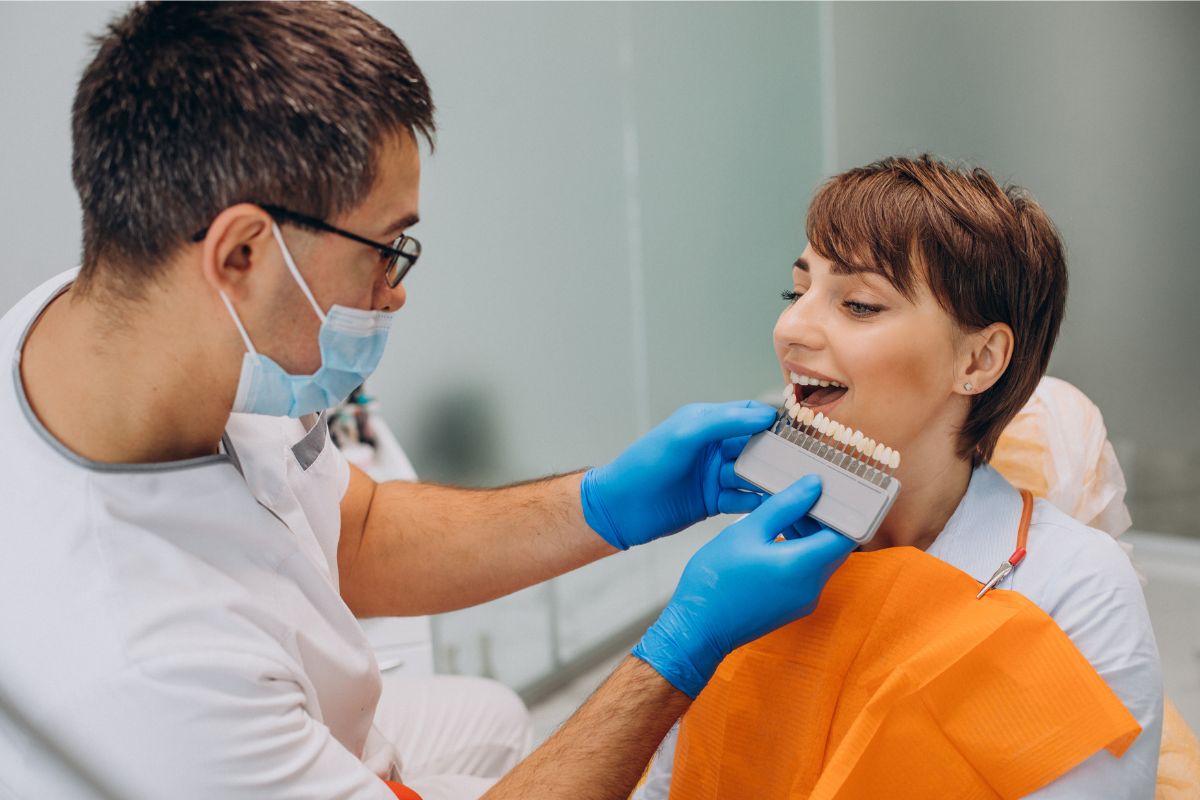
Veneers are custom-made shells, typically crafted from porcelain or resin composite materials, designed to cover the front surface of teeth. They are durable and highly resistant to staining. However, despite their protective function, it do not prevent tooth decay. The tooth underneath the veneer remains susceptible to cavities if not properly maintained.
It is essential to understand that veneers are primarily cosmetic—they improve the teeth’ appearance but do not protect the tooth from cavities or decay. Maintaining good oral hygiene is crucial, as plaque and bacteria can still affect the natural tooth beneath the veneer. Regular dental cleanings prevent decay by removing plaque buildup and ensuring the veneer’s and tooth’s integrity.
The Risk of Cavities Under Veneers
While the veneer is resistant to staining and damage, the tooth beneath remains vulnerable to decay. The primary risk of developing a cavity under a veneer arises when bacteria infiltrate the edges due to improper sealing or wear over time. If the veneer is not securely bonded to the tooth, bacteria can penetrate the gap and cause decay.
Detecting a cavity beneath a veneer can be more challenging, as the veneer covers the tooth’s surface. However, a skilled dentist in Green Valley can identify the early stages of decay during regular checkups. This highlights the importance of periodic dental exams to monitor the veneer’s condition and the underlying tooth’s health.
How to Prevent Cavities Under Veneers?
The best way to prevent cavities from forming under a veneer is to practice proper oral hygiene. Brushing with fluoride toothpaste twice a day and flossing regularly is essential to eliminate plaque and bacteria. A soft-bristled toothbrush will also help avoid damaging the veneer and its edges.
Patients should also visit a dental office for regular checkups and professional cleaning. During these visits, your dentist can ensure the veneer is intact and properly sealed, preventing bacteria buildup that can lead to decay. Early detection of any issues around the veneer can prevent more serious problems.
What Happens When A Cavity Forms Under a Veneer?
If a cavity develops beneath a veneer, it may be necessary to remove the veneer to address the decay. Once the decay is removed, the tooth must be treated before a new veneer can be applied. In some cases, if the cavity is extensive, alternative restorative treatments may be required to ensure the tooth’s health and functionality.
While addressing cavities under veneers can be more complex than treating decay on natural teeth, it is important to note that the chances of this occurring are minimized with proper care. Maintaining excellent oral hygiene and regular dental visits for cosmetic dentistry is essential for the longevity of the veneer and the natural tooth.
Although cavities can form under a veneer, the risk can be significantly reduced by maintaining good oral hygiene practices and seeking regular professional care. They are a valuable tool in cosmetic dentistry, providing an aesthetically pleasing solution for many dental concerns. However, it is essential to recognize that they do not protect the underlying tooth from decay. By practicing proper oral care and scheduling regular visits to your dentist in Green Valley, you can ensure the long-term success of your treatment and preserve your overall oral health. If you want to have veneers, book an appointment with us in Green Valley. We provide specialized cosmetic dental care treatments for patients.