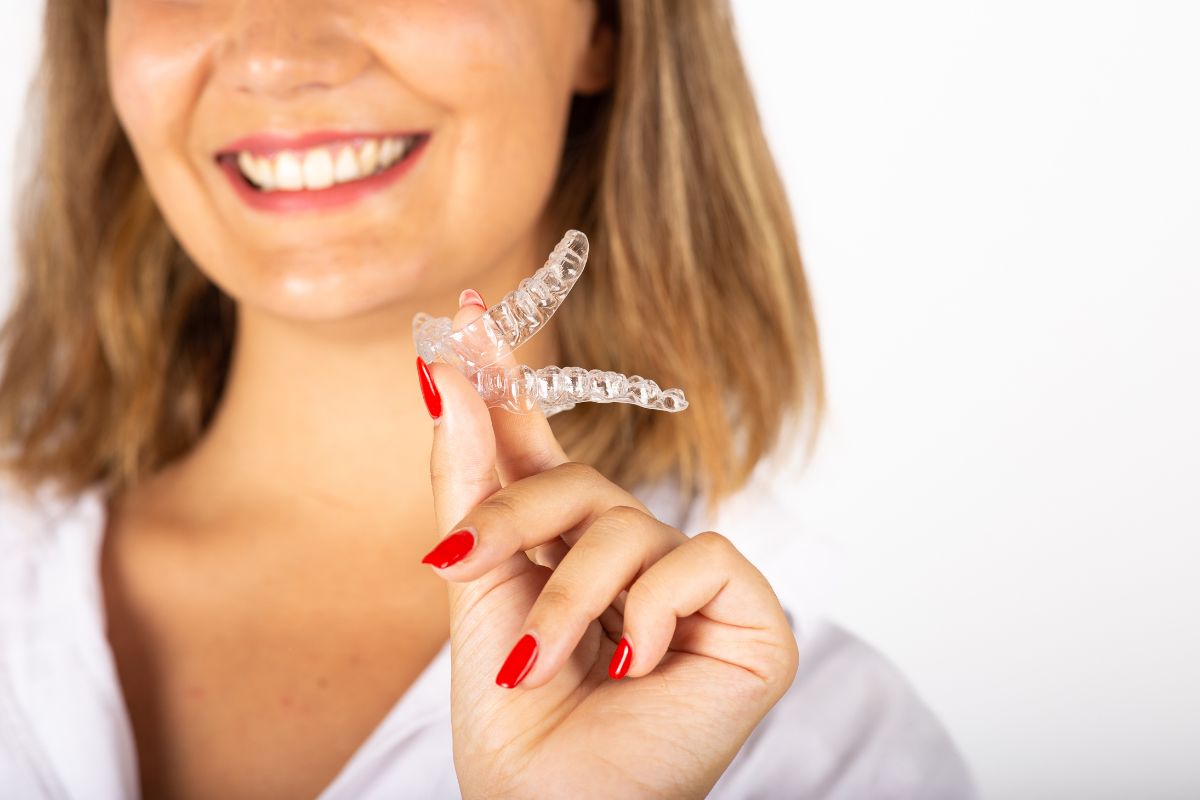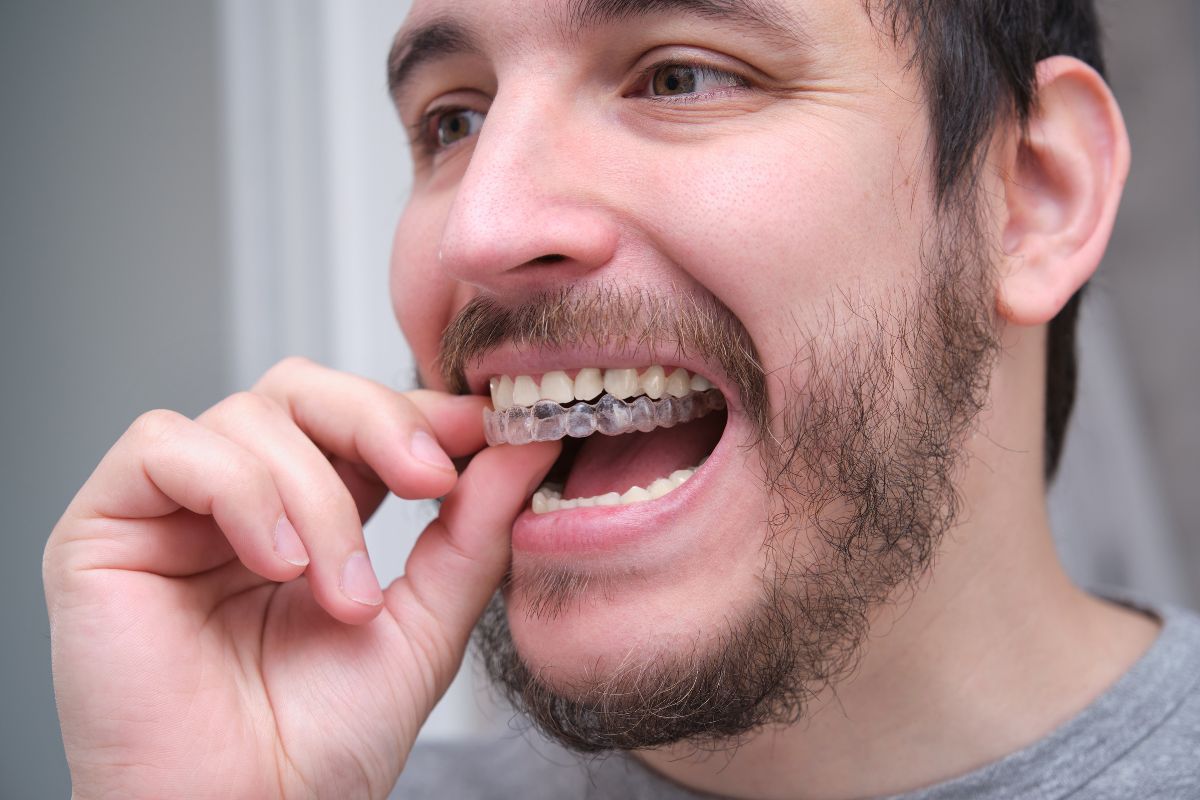
Beginning orthodontic treatment is a significant step toward achieving a healthier, better-aligned smile. Many patients considering Invisalign want to know how long the process takes and what each phase involves. While treatment time varies, understanding the overall timeline can help you feel prepared and confident as you move forward with your decision.
Understanding the Invisalign Timeline
Every Invisalign journey starts with a comprehensive evaluation. Your dentist will examine your bite, alignment, and overall oral health to determine whether you’re a good candidate. Digital scans are taken to create a precise 3D model of your teeth, enabling the creation of customized trays and a carefully mapped sequence of movements. This plan helps predict how your smile will transform week by week, giving you a clear picture of what to expect.
Factors That Influence Invisalign Duration
Complexity of Your Case
The time needed often depends on the severity of your alignment issues. Mild spacing or minor crowding tends to move more quickly, while more complex cases may require additional months of treatment. Your trays must be worn consistently for the planned progress to stay on track.
Wearing Your Aligners Consistently
Daily habits play a significant role in treatment. Invisalign aligners need to be worn the majority of the day, only being removed for eating, brushing, and flossing. Patients who follow this routine closely typically experience a smoother and more predictable timeline.
Mid-Treatment Refinements and Check-ins
Some patients require refinements, meaning a few extra trays are added to finish fine adjustments. These refinements are usual and help achieve more accurate results. Routine visits enable your dentist to monitor the progress of your teeth and overall oral health. If you’re seeking Invisalign in Green Valley, you can expect personalized guidance tailored to your specific progress.
What Most Patients Can Expect from Start to Finish
Most Invisalign treatments last between several months and a year, depending on the goals set during your initial consultation. The first few weeks involve adjusting to the feel of the aligners and establishing a healthy routine. As you move through each set of trays, subtle changes become noticeable. By the mid-point, many patients report improved alignment and increased confidence. As the project nears its final stage, the focus shifts to refining those small details that create a balanced, natural appearance.
Once your active treatment ends, a retainer helps maintain your new alignment. Consistent wear ensures your teeth remain in their improved positions. Patients often find this final step simple compared to the active phase, as retainers are typically worn only at night.
Before starting, many people choose to visit our dental office for guidance based on their personal timeline. Understanding these steps makes the process smooth and predictable, helping you feel more comfortable and motivated throughout your Invisalign transformation.
Ready to Start Your Invisalign Journey
If you’re considering this treatment and want clarity on how long it may take, the best next step is a personalized consultation. Contact us today to schedule your visit and begin planning the smile you’ve been looking forward to.
FAQs
- How long does Invisalign typically take?
Most treatments last several months to a year or less, depending on your specific alignment needs. - Does switching aligners sooner speed up treatment?
Aligners should only be switched according to your dentist’s instructions. Changing them early may interrupt planned tooth movement. - Will Invisalign be uncomfortable?
Some mild pressure is normal when switching to a new set of trays, but most patients adapt quickly. - Do I need refinements?
Refinements are common and help fine-tune results if certain teeth need additional adjustment. - How often are dental visits required?
Check-ins typically happen every few weeks to monitor progress and provide the next set of trays. - Do I need to wear a retainer after completing Invisalign?
Yes. Retainers help maintain your new alignment and prevent your teeth from shifting back.