Dental implants offer a durable and natural-looking way to restore missing teeth—but successful treatment depends on more than just your smile. Your overall health plays a key role in determining whether implants are the right choice for you.
Understanding the Connection Between Health and Implants
Dental implants are one of the most dependable solutions for replacing missing teeth. They offer lasting stability and restore function by integrating with the jawbone. Since implant placement is a surgical procedure, your overall health significantly affects whether it’s suitable. This article explores how certain medical conditions impact implant success—and when it’s safe, or unsafe, to proceed.
When Dental Implants Are Typically Safe
Most healthy adults are strong candidates for dental implants, particularly when gum health is stable and bone density is sufficient. Those who maintain good oral hygiene and have no unmanaged chronic conditions typically heal well and experience long-term implant success. Even with conditions like controlled diabetes or high blood pressure, implants may still be viable—though they require closer monitoring.
Conditions That May Require Caution or Delay Treatment
Uncontrolled Diabetes and Healing Complications
While many people with well-managed diabetes receive implants successfully, poorly controlled blood sugar can hinder healing. Since the body’s ability to recover and resist infection is critical, high A1C levels may prompt a delay until better control is achieved.
Osteoporosis and Bone Density Challenges
Implants rely on strong jawbone support, so conditions like osteoporosis can pose issues, especially for those taking bisphosphonates. However, bone grafting may provide a solution, depending on individual needs.
Autoimmune Disorders and Immunosuppression
Patients with autoimmune diseases or immunosuppressive medications may face higher risks due to slower healing and greater infection susceptibility. A detailed evaluation helps determine the best course of action.
Sahuarita Dental Implants and Your Health History
If you’re in Sahuarita and exploring dental implants, sharing your medical history with your provider is vital. Conditions like heart disease, bleeding disorders, or prior radiation therapy to the jaw area may affect your treatment plan. Your dentist might coordinate with your physician to ensure you’re cleared for the procedure.
Our Sahuarita dental team evaluates each patient carefully, considering all relevant health factors. If you’re a smoker, know that smoking can significantly reduce implant success due to poor blood flow and delayed recovery.
To determine whether you’re a good candidate, visit our dental office for a comprehensive consultation. This may include imaging, a medical review, and referrals when necessary.
When It’s Best to Wait or Choose an Alternative
In some cases, it’s safer to postpone implant placement. For example, if you’re undergoing chemotherapy or recovering from major surgery, your body may not be ready for another invasive procedure. Similarly, if you have untreated gum disease, it must be resolved before implants are considered.
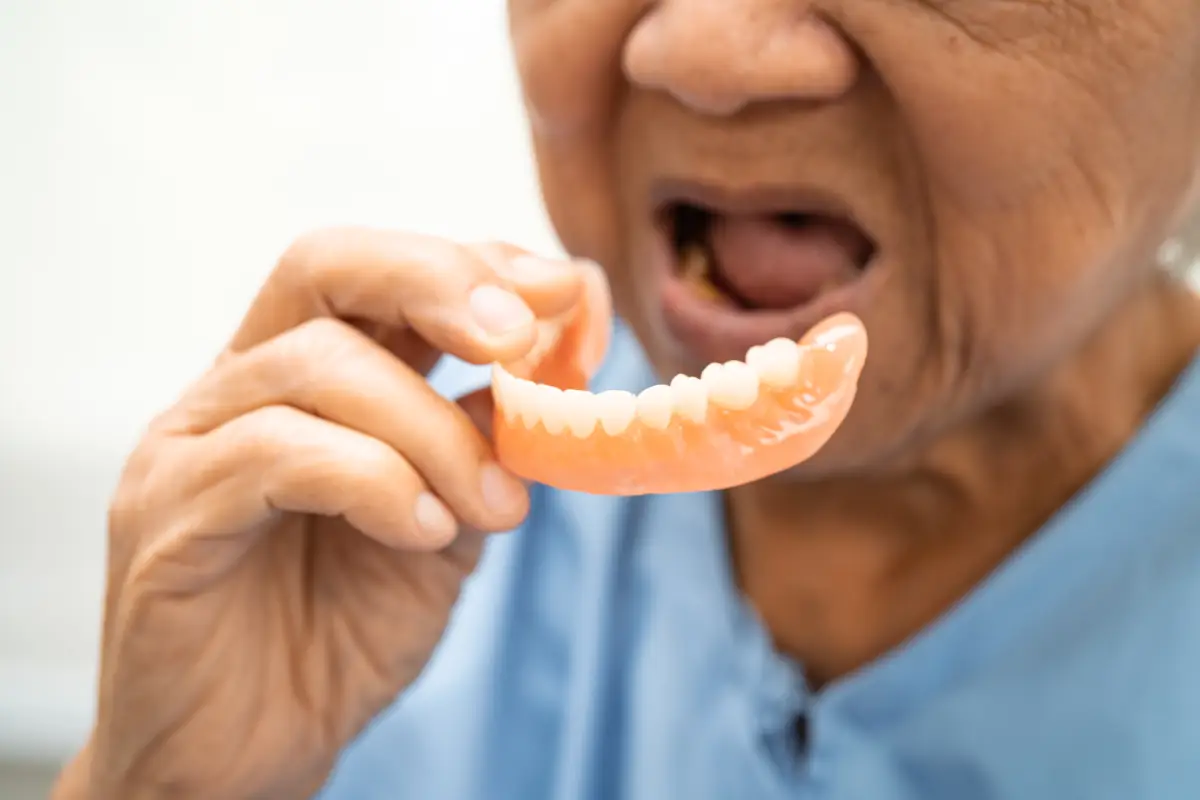
Based on your medical profile and oral health goals, your dentist may recommend other options, such as fixed bridges or removable dentures.
Your Health, Your Smile: A Smart Path to Lasting Dental Wellness
Dental implants can significantly improve your life, but they’re not right for everyone. General health plays a key role in determining success. Partnering with a knowledgeable dental provider ensures your treatment plan takes all factors into account.
Whether you’re managing a chronic condition or want a lasting tooth replacement, dental implants may still be a great option—with thoughtful care and expert planning.
Ready to take the next step toward restoring your smile? Contact us today to schedule a personalized consultation, and let’s explore the safest, healthiest path forward together.