For many residents of Sahuarita, dental implants are a reliable way to restore oral function and confidence after tooth loss. Although implants are designed for long-term success, they still depend on proper healing and ongoing care. Certain changes may indicate developing issues, and recognizing these signs early can help protect your oral health and overall comfort.
Understanding Dental Implant Stability
Why Osseointegration Matters
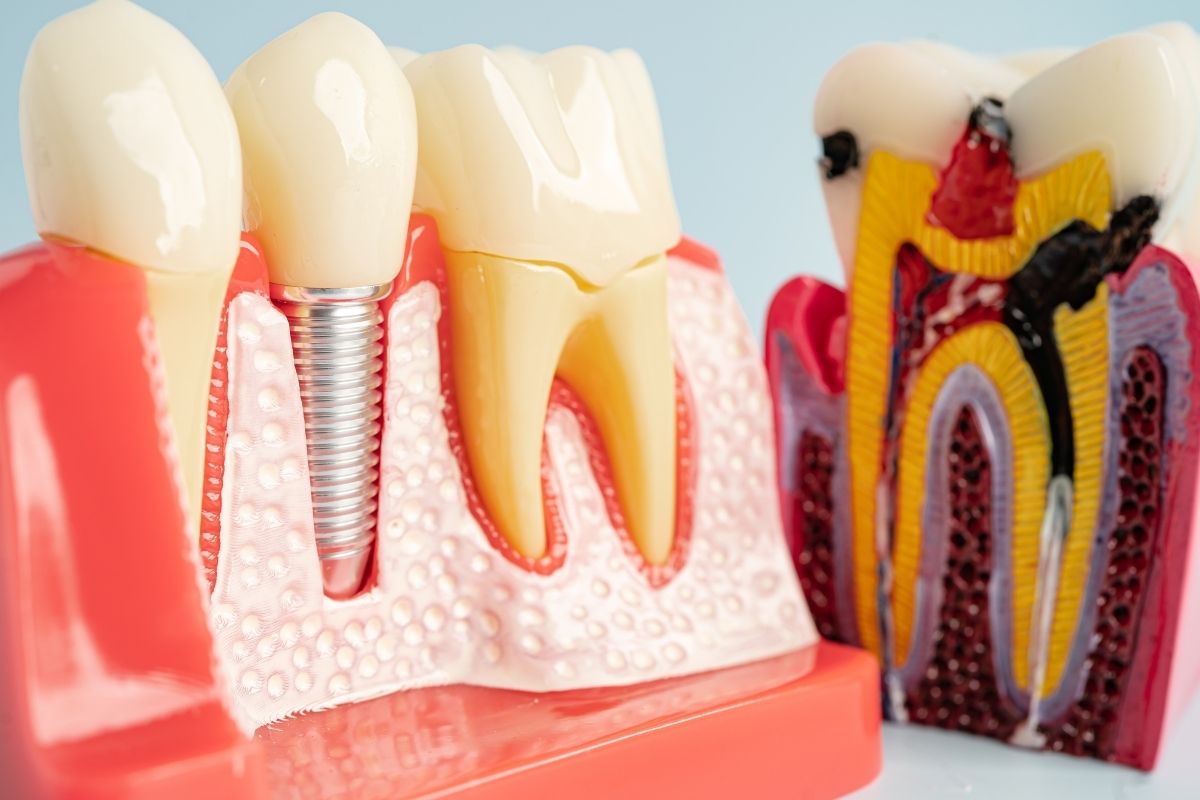
Dental implants rely on a process called osseointegration, where the implant post fuses with the jawbone. When this bond is strong, the implant feels natural and secure. Any disruption to this process may lead to discomfort or functional concerns that require professional attention.
Persistent Pain After Healing
When Discomfort Becomes a Warning Sign
Mild soreness is expected after implant placement, but pain that continues or worsens weeks later is not normal. Ongoing discomfort may signal infection, nerve irritation, or excessive pressure on the implant. Early evaluation can help prevent more serious complications.
Swelling or Inflammation Around the Implant
What Gum Changes Can Indicate
Healthy gums should appear pink and firm. Swelling, redness, or bleeding around the implant may be early signs of peri-implant inflammation. Patients with dental implants in Sahuarita are encouraged to closely monitor gum health, as early treatment supports long-term implant success.
Implant Movement or Looseness
Why a Secure Implant Is Essential
A dental implant should never feel loose. Any movement while chewing or speaking may indicate bone loss or failed integration. This is a serious red flag that requires immediate professional evaluation.
Changes in Bite or Chewing Comfort
How Bite Alignment Affects Implant Health
An uneven bite or discomfort while chewing may suggest that the implant crown is misaligned or under excessive stress. Over time, this can affect the surrounding teeth and jaw joints if left untreated.
Unusual Taste or Discharge
Signs of Hidden Infection
A persistent bad taste or discharge near the implant site can indicate infection beneath the gumline. Even without visible swelling, these symptoms should be addressed promptly to protect surrounding tissues.
Gum Recession Around the Implant
When Gum Changes Affect Stability
Gum recession may expose part of the implant post, affecting both appearance and function. This condition often results from inflammation or mechanical stress and should be evaluated early to prevent further tissue loss.
Sinus or Jaw Discomfort After Upper Implants
Understanding Sinus-Related Concerns
Upper jaw implants are positioned near the sinus cavity. Pressure, congestion, or jaw discomfort after placement may suggest sinus involvement and should be assessed to support proper healing.
When Expert Attention Makes a Difference
Taking the Right Next Step
Dental implants benefit from routine monitoring and good oral hygiene, but recognizing warning signs is equally important. If you notice anything unusual, it may be time to visit our dental office in Sahuarita for a professional evaluation. Prompt care often preserves implant health and supports long-term results. If you have concerns or questions, contact us to schedule an appointment and receive personalized guidance.
Frequently Asked Questions
What is the earliest sign of dental implant trouble?
Persistent pain or gum inflammation around the implant is often an early indicator.
Is discomfort normal after dental implant placement?
Yes, mild discomfort is normal initially, but it should gradually improve rather than worsen.
Can gum inflammation around an implant be treated?
In many cases, early treatment can manage inflammation and protect the implant.
What should I do if my implant feels loose?
A loose implant should be evaluated promptly by a dental professional.
How often should dental implants be checked?
Regular dental visits help monitor implant health and identify concerns early.
Can sinus issues occur after dental implants?
Yes, sinus-related symptoms can occur with upper implants and should be assessed.
Does oral hygiene affect implant success?
Yes, good oral hygiene plays a vital role in maintaining implant health and longevity.