
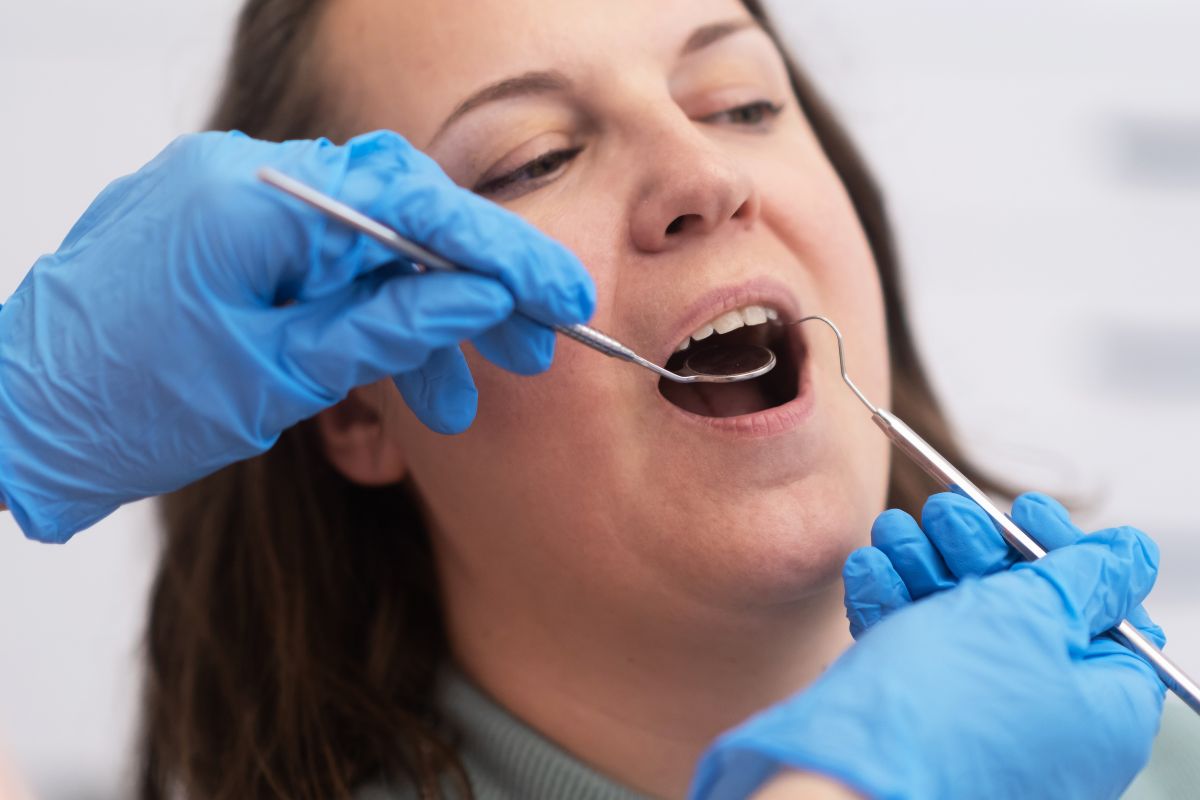
Pregnancy is filled with excitement, planning, and regular medical appointments. While many women prioritize prenatal check-ups, dental health can sometimes be overlooked. However, hormonal changes during pregnancy can significantly impact oral health, making regular dental care more important than ever. Expectant mothers often wonder: what dental procedures are safe during pregnancy? The good news is that many dental treatments can be safely performed during pregnancy with the proper precautions.
Importance of Dental Care During Pregnancy
Pregnancy increases the risk of several oral health issues, including gum disease and tooth decay. Hormonal changes can make gums more sensitive, leading to inflammation and even pregnancy gingivitis. Poor oral hygiene during pregnancy is also linked to premature birth and low birth weight. Maintaining proper oral health isn’t just crucial for the mother—it’s also essential for the baby’s well-being.
Routine dental care, including cleanings and exams, is safe and highly recommended throughout pregnancy. These appointments help identify and treat problems before they become emergencies.
Safe Dental Treatments During Pregnancy
First Trimester Considerations
The first trimester is a critical period of fetal development. During this time, dentists usually focus on preventive care. Non-urgent procedures are often postponed to avoid stress or discomfort for the mother and baby. However, if you experience significant pain or signs of infection, your provider may recommend safe treatment options even during this early stage.
Second Trimester – The Ideal Time for Treatment
The second trimester is considered the safest window for most dental procedures. The risk to the developing fetus is lower by this point, and expectant mothers are typically more comfortable. Cleanings, fillings, and even root canals can be done safely. If you’re facing a dental concern during this time, consulting an emergency dentist in Green Valley ensures you receive timely care without compromising safety.
Anesthesia like lidocaine is generally considered safe during pregnancy, and your dentist will use the lowest effective dose. X-rays can also be taken when necessary, with proper shielding to protect the abdomen. While non-urgent procedures can often wait, treating infections or acute pain promptly is crucial.
Third Trimester Precautions
In the final trimester, lying flat for extended periods can be uncomfortable, and the risk of preterm labor slightly increases. Dentists may limit procedures during this time unless necessary. However, emergency care—such as addressing an abscess or severe toothache—should never be delayed. A qualified emergency dentist in Green Valley will know how to proceed safely and with minimal discomfort.
Procedures to Postpone Until After Delivery
While many dental treatments are safe during pregnancy, elective procedures such as teeth whitening or cosmetic adjustments should wait until after childbirth. These are not medically necessary and can be deferred without affecting oral health.
If you’re unsure whether a treatment is urgent or can be delayed, it’s best to consult your dentist. They will evaluate your condition and provide personalized recommendations prioritizing your health and your baby’s development.
Tips for Maintaining Oral Health While Pregnant
Good oral hygiene habits go a long way in preventing dental issues during pregnancy. Brush twice daily with fluoride toothpaste, floss regularly, and stay hydrated. Morning sickness can expose teeth to stomach acid, so rinsing with water or a fluoride mouthwash afterward is helpful. Avoid sugary snacks, and make sure to keep your routine dental check-ups.
If you’re ever in doubt about a dental issue during pregnancy or need immediate care, don’t hesitate to visit our dental office for expert guidance.
Dental care should be an essential part of prenatal health. Many procedures are not only safe during pregnancy but are crucial for preventing complications that could affect both mother and child. Always communicate your pregnancy status with your dentist, whether it’s a routine exam or urgent treatment.
Partnering with a trusted provider, such as an emergency dentist, ensures that you receive safe and effective care throughout pregnancy.